
This post may contain affiliate links. Please read our disclosure policy.
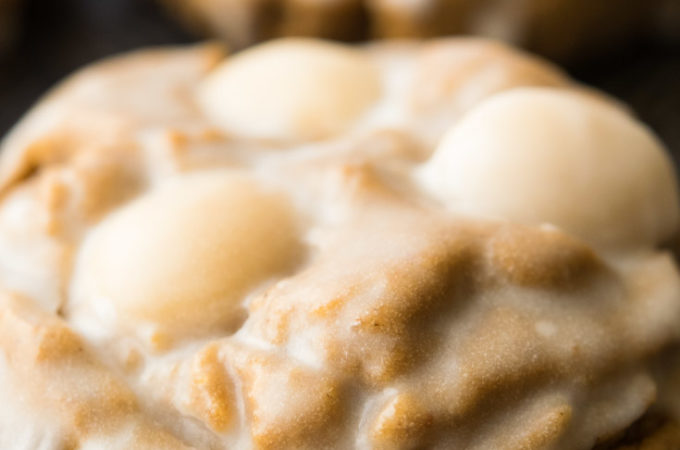
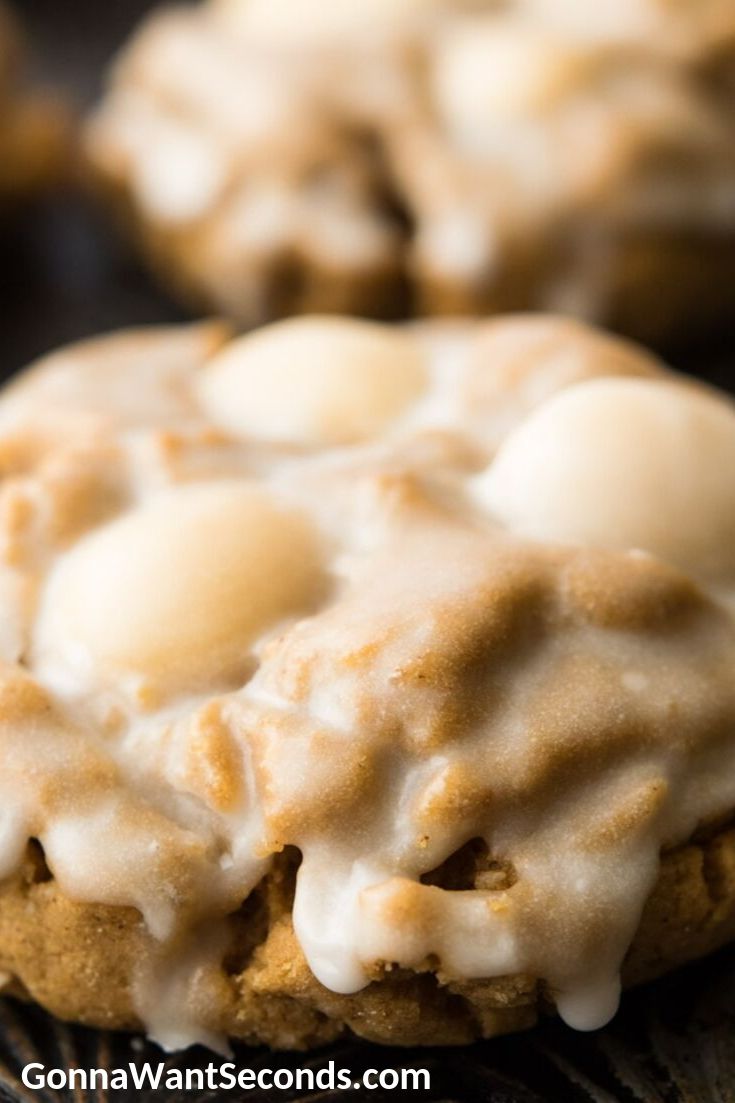
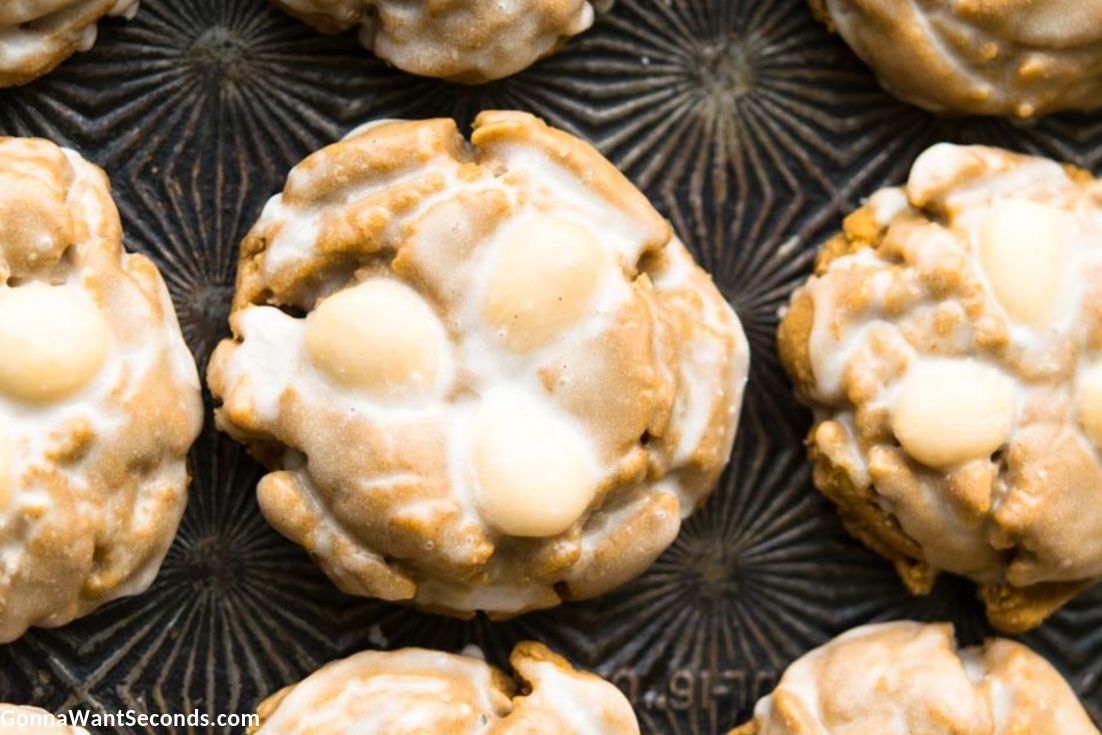
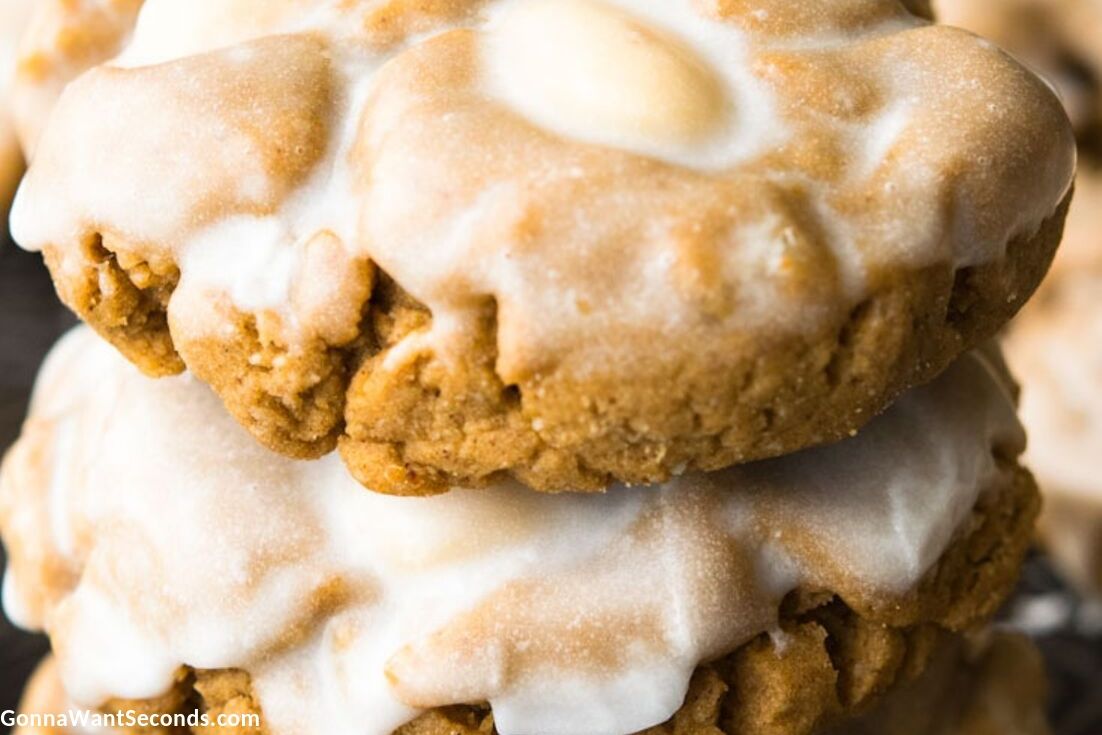
No collection of Christmas Cookie Recipes is complete without Lebkuchen! These traditional German Christmas cookies are soft and cakey, with deep molasses flavor, warm spices, candied citrus, and almonds, all finished with a thin, sweet glaze. Often described as German gingerbread, Lebkuchen have a wonderfully distinctive flavor that makes them something truly special on a holiday cookie tray.
If you love warmly spiced cookies as much as I do, be sure to try my Pfeffernusse, Ginger Molasses Cookies, and Chewy Ginger Cookies, next. They each bring something different to that cozy mix of molasses, ginger, and Christmas spices. You can find even more holiday favorites in my Christmas Cookie Recipes.
What Is Lebkuchen?
Lebkuchen Ingredients + Key Notes
Almond flour: Along with the warm spices, almond flour is one of the ingredients that gives these Lebkuchen their distinctive flavor and texture. It adds richness and a subtle nuttiness that you wouldn’t get from all-purpose flour alone.
Heavy cream + vinegar: The vinegar may seem unusual, but it sours and thickens the heavy cream as it rests, creating a rich, tangy mixture that helps keep the cookies tender. Its acidity also reacts with the baking soda once the dough is mixed, contributing to their soft, cakey texture.
Molasses: Gives the cookies their deep, complex sweetness and dark color while complementing all those warm spices. Use regular unsulphured molasses rather than blackstrap, which is much more bitter and intense.
Warm spices: Cinnamon, cloves, allspice, ginger, and nutmeg give these cookies their signature Christmas spice flavor. Using several spices rather than relying heavily on ginger is part of what makes the flavor of these Lebkuchen so complex.
Candied orange + lemon peel: Don’t skip these! The little pieces of candied citrus bring bright, concentrated citrus flavor that balances the molasses and spices and is an important part of the distinctive Lebkuchen flavor. Store-bought candied peel works beautifully, so there’s no need to make your own.
Blanched almonds: These are simply almonds with their brown skins removed. They’re arranged on top of the cookies before baking, giving the finished Lebkuchen their traditional decorative look. You can buy them already blanched or blanch whole almonds yourself by boiling them for about 1 minute, then draining and slipping off the loosened skins.
Lebkuchen Storing Tips
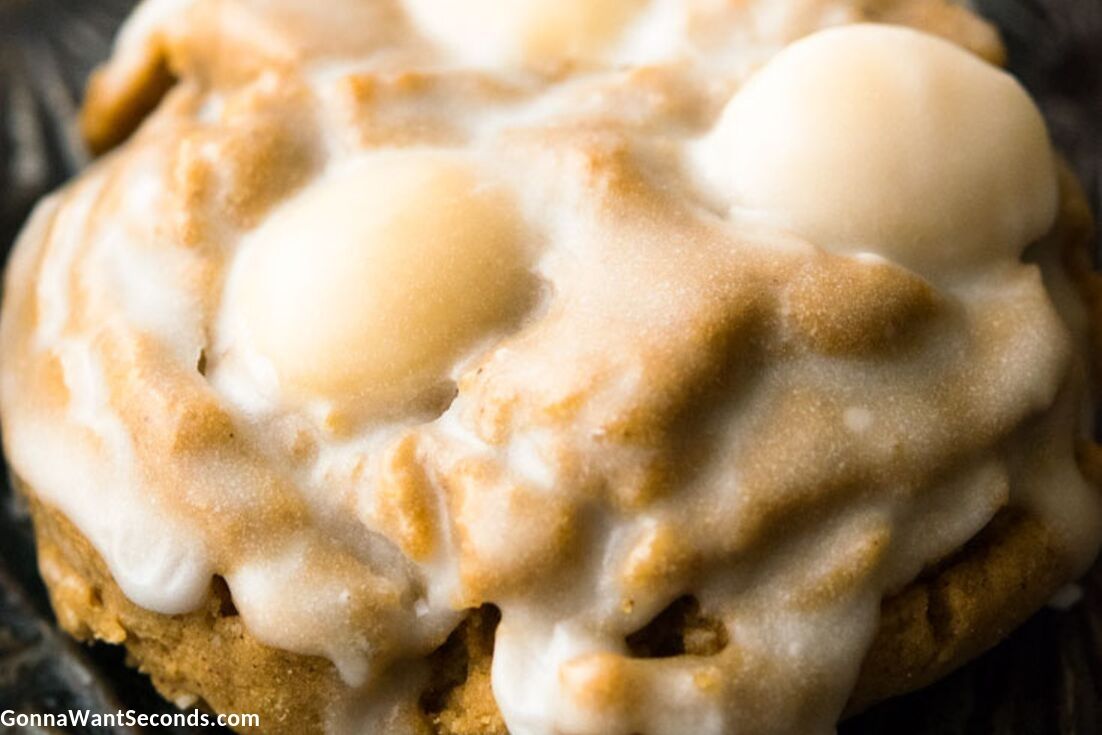
Let the glaze dry completely before storing your Lebkuchen. If the glaze is even slightly tacky when the cookies are stacked, it can stick to the cookies above and pull away.
Store the cookies in an airtight container with parchment or wax paper between the layers. Lebkuchen are wonderful make-ahead cookies—the warm spices, molasses, and citrus flavors become even better as they have time to mingle.
How Long Do Lebkuchen Keep?
Store Lebkuchen in an airtight container at room temperature for up to 2 weeks. Separate the layers with parchment or wax paper to protect the glaze. There’s no need to refrigerate them; refrigeration can make the glaze sticky.
Can You Freeze Lebkuchen?
Yes! This lebkuchen recipe is very freezer-friendly! Place the cookies in an airtight container, making sure to separate the cookies between layers of wax paper. They’ll stay delicious for up to 3 months!
If you are planning to freeze them, I’d suggest withholding the glaze. The glaze will be fine with freezing, but sugar always tends to go goopy in the freezer. Thaw, then glaze — you’ll also retain a better flavor!
Can You Freeze Lebkuchen Dough?
Yes. Prepare the dough as directed, then wrap it tightly and place it in an airtight freezer bag or container. Freeze for up to 3 months. Thaw the dough overnight in the refrigerator, then let it soften enough to roll and shape according to the recipe.
Make-Ahead Tips
Lebkuchen are particularly well suited to holiday make-ahead baking. You can prepare and freeze the dough, or bake the cookies ahead and store or freeze them. If freezing baked cookies, I recommend waiting to glaze them until after they’ve thawed.
Lebkuchen FAQs
◆ What do Lebkuchen taste like?
Lebkuchen have a deep, warmly spiced flavor with notes of molasses, citrus, and almond. They’re less ginger-forward than many American gingerbread cookies because cinnamon, cloves, allspice, ginger, and nutmeg all contribute to the spice blend. The candied orange and lemon peel add little bursts of bright citrus that balance the darker molasses flavor.
◆ What is the difference between Lebkuchen and gingerbread?
Lebkuchen are often described as German gingerbread, but they’re not quite the same as the gingerbread cookies most Americans know. Lebkuchen are generally softer and more cakey, with a complex blend of warm spices and often nuts and candied citrus. Traditional gingerbread cookies tend to be more ginger-forward and can range from soft to crisp.
◆ What is the difference between Lebkuchen and Pfeffernusse?
Both are traditional German Christmas cookies filled with warm spices, but they’re distinct cookies. Pfeffernusse are typically small, round spice cookies with a firmer, denser texture, while Lebkuchen come in several styles and are often softer and more cakey. Lebkuchen also commonly include nuts and candied citrus. If you love one, my Pfeffernusse are definitely worth trying.
◆ Are Lebkuchen supposed to be soft?
Yes. This style of Lebkuchen should be soft, tender, and slightly cakey rather than crisp. Be careful not to overbake them—they’ll continue to set as they cool.
◆ Why do Lebkuchen taste better after they sit?
Giving Lebkuchen some time after baking allows the molasses, citrus, almonds, and warm spices to meld together, creating a more rounded, complex flavor. That makes them especially convenient for Christmas baking because you don’t have to make them the day you plan to serve them.
◆ What does Lebkuchen mean in German?
Lebkuchen is the German name for a broad family of traditional spiced baked treats associated especially with Christmas. You’ll sometimes see it translated as “gingerbread,” although German Lebkuchen encompasses several different styles rather than one specific cookie.
I hope these tips help you make the best Lebkuchen! If you have a question I didn’t cover, leave me a comment below—I’m always happy to help.
More Christmas Cookies to Try
Vanillekipferl: Buttery, nutty German crescent cookies coated in powdered sugar, these delicate cookies are another traditional favorite for a Christmas cookie tray.
Soft Gingerbread Cookies: Soft, warmly spiced, and wonderfully tender, these classic gingerbread cookies are a natural choice if you love the cozy spices in Lebkuchen.
Molasses Cookies: Rich with molasses and warm baking spices, these old-fashioned cookies have many of the cozy flavors that make Lebkuchen so irresistible.
Biscoff Cookies: These homemade Belgian speculoos cookies are crisp, caramelized, and filled with warm spices for another delicious European holiday cookie.
Yugoslavian Christmas Cookies: An old-fashioned family recipe with layers of buttery cookie, fruit preserves, and walnut meringue, these bring another Eastern European tradition to the holiday cookie tray.
Tried This Recipe?
If you make this Lebkuchen recipe, I’d love to hear how it turned out! Please leave a comment and star rating below—it helps other readers and means so much to me. 🩷
Want more tried-and-true recipes delivered straight to your inbox? Subscribe to my FREE newsletter so you never miss a new Gonna Want Seconds recipe.
You can also follow me on Instagram @gonna_want_seconds for more recipes and kitchen inspiration.
On mobile? Just keep scrolling to find the recipe card below. Thank you!
Thanks for stopping by my kitchen today — happy baking, friends! ❤️ Kathleen
Lebkuchen
Ingredients
- 1 cup heavy cream
- 1 tablespoon white vinegar
- 4 cups all-purpose flour
- 1/2 cup almond flour
- 1/4 cup minced candied orange peel
- 1/4 cup minced candied lemon peel
- 1 1/2 tablespoons ground cinnamon
- 1 1/2 teaspoons ground cloves
- 1 teaspoon ground allspice
- 2 teaspoons ground ginger
- 1 teaspoon baking soda
- 2 teaspoons ground nutmeg
- 1/2 teaspoon salt
- 2 cups dark brown sugar
- 1/2 cup vegetable shortening at room temperature
- 1/2 cup unsulfured molasses
- 1/3 cup blanched whole almonds
Glaze:
- 2 1/2 cups confectioner's sugar sifted
- 5 tablespoons whole milk
Instructions
- Preheat oven to 325 degrees. Line 2 large baking sheets with parchment; set aside.
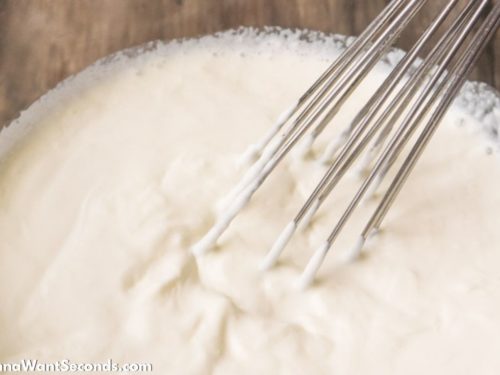
- Mix cream and vinegar in a small bowl and let sit until thickened, about 30 minutes.

- Whisk together the all-purpose flour with the almond flour, candied orange and lemon peels, cinnamon, cloves, allspice, baking soda, nutmeg, and salt, in a medium mixing bowl.
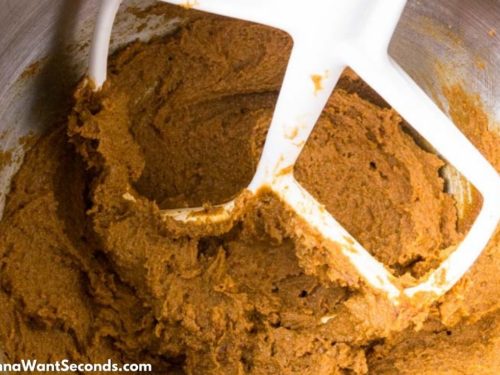
- In a large mixing bowl, cream together the brown sugar, shortening, and molasses on medium speed for about 3-4 minutes, or until the mixture is light and fluffy.
- Pour in thickened cream and mix until smooth.
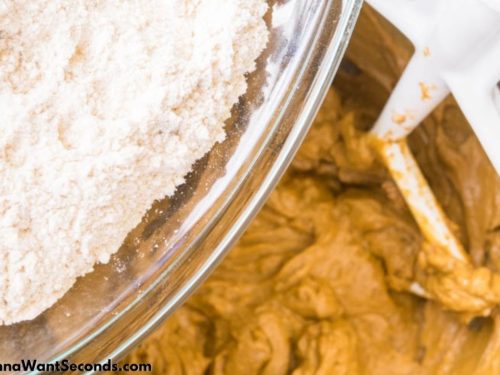
- Gradually add the flour mixture, and beat on low speed, until just combined.
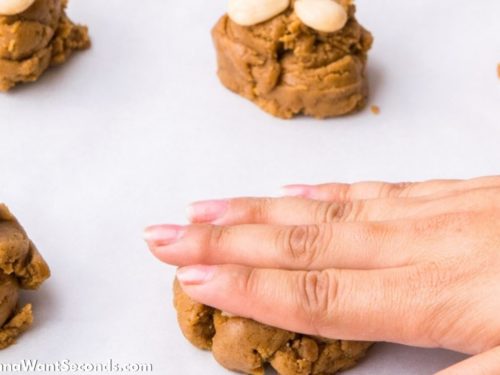
- Using a 1/4 cookie scoop shape the dough into mounds, placing on prepared baking sheets, 3 inches apart. Arrange 3 whole almonds in a star pattern on the top of each cookie. Gently, slightly flatten the cookies with your hand.
- Bake the cookies in the preheated oven, until lightly brown, about 15 minutes. Let the cookies cool on baking sheets for 10 minutes, then remove them to a wired rack to cool completely.
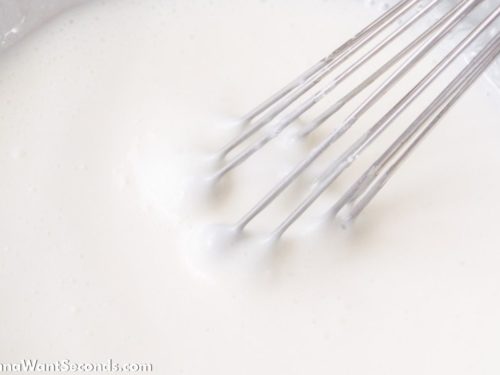
- When cookies are completely cool, make the glaze. Add confectioners sugar and milk to a small mixing bowl and whisk until smooth.
- Dip the tops of each cookie into the glaze, allowing excess to drip off, then set on a wire rack to allow the glaze to set.

Fans Also Made:
Nutrition
Source: Adapted From Food and Wine


Thanks for this recipe! It smells so good while its baking. I tried your note about blanching almonds!
Right? Thank you!!
So yummy
Thank you, Aj! It’s soooo good! Enjoy 🙂
Please email me the best cream icying receipe for your carrot cake,,please frosting and glaze,,,[email protected]