

This post may contain affiliate links. Please read our disclosure policy.
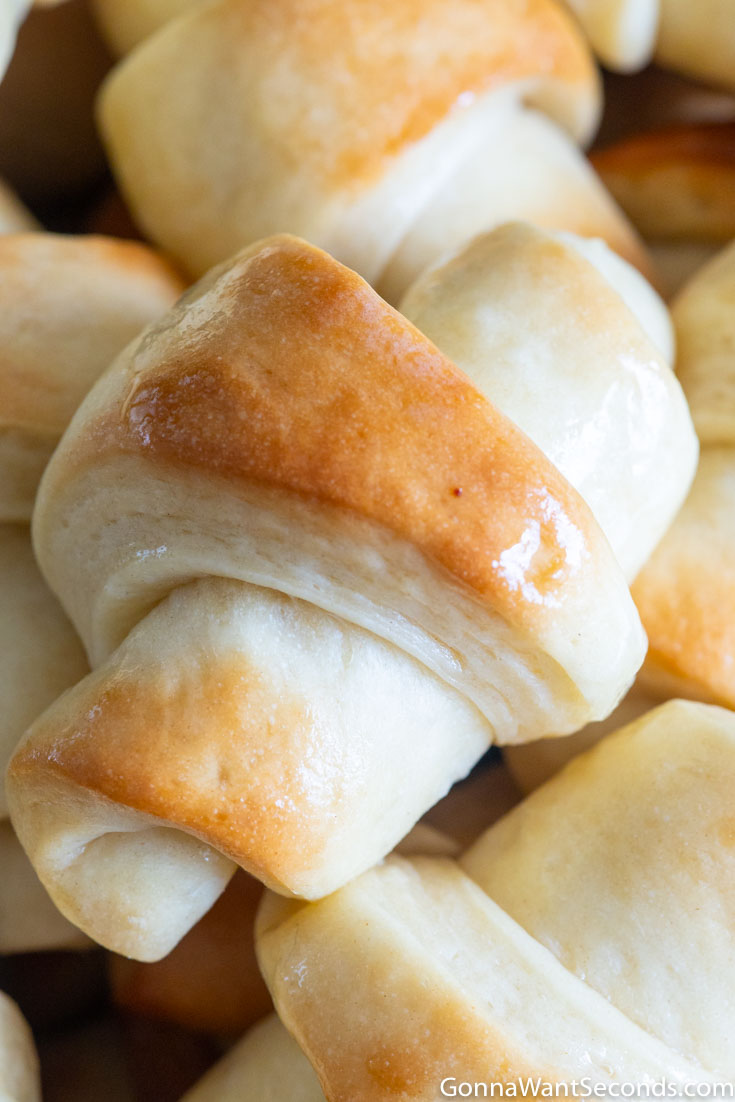
There’s something special about homemade crescent rolls — soft, buttery, golden, and fresh from the oven with that classic curved shape. They feel a little nostalgic, a little holiday-worthy, and once you make them from scratch, it’s hard to go back to the canned version.
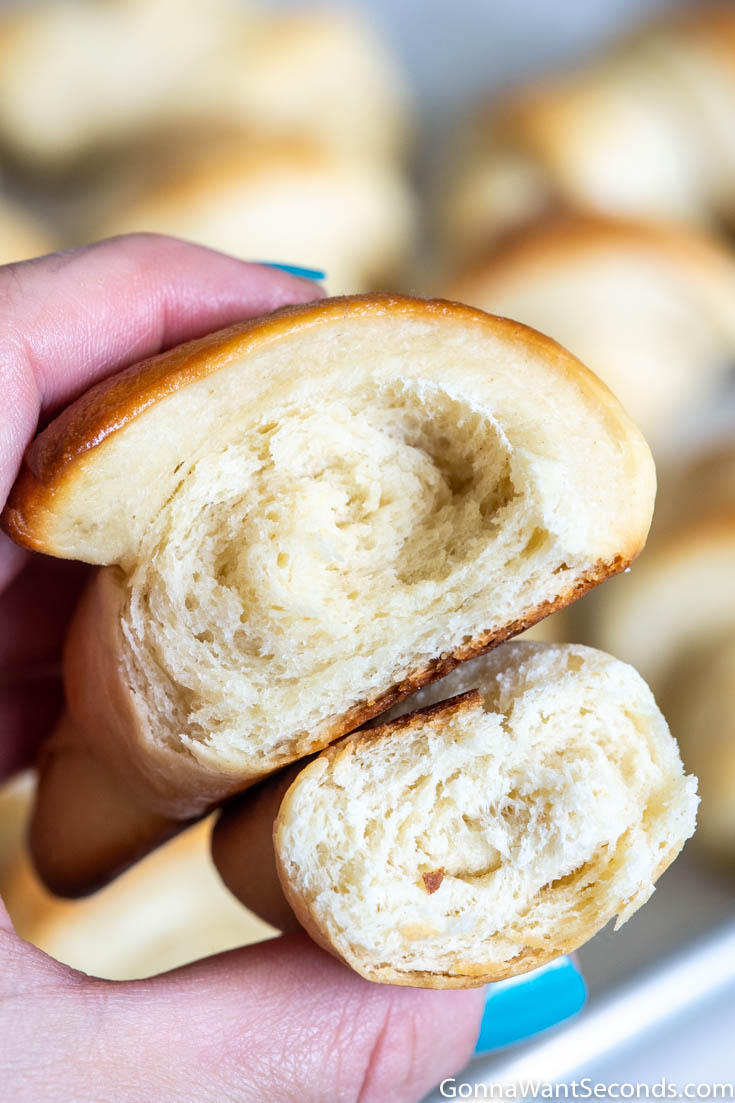
What makes this crescent roll recipe so good is the rich, enriched dough. Butter and eggs give the rolls a tender, pillowy texture and deeper flavor, while the double rise helps them bake up light and airy instead of dense. They do take a little time, but most of it is hands-off — and the payoff is absolutely worth it for holiday dinners, Sunday suppers, or anytime you want a bread basket that feels extra special.
If you love cozy homemade breads like this, be sure to try my Garlic Bread, Quick Dinner Rolls, or Lion House Rolls too.
How to Make Crescent Rolls (Quick Answer)
To make homemade crescent rolls, you’ll start by proofing active dry yeast in warm water with a little sugar. Then mix in the remaining sugar, salt, eggs, butter, and flour to form a soft enriched dough. Let the dough rise until doubled, divide it in half, roll each half into a circle, and cut each circle into wedges. Roll the wedges up from the wide end, curve them into crescents, let them rise again until puffy, then bake at 400°F for 9–12 minutes until golden brown. Brush with melted butter while they’re still warm for the best flavor and finish.
✨ Before You Begin
✨ Use warm water, not hot water: Aim for about 110°F. If the water is too hot, it can kill the yeast. If it’s too cool, the yeast may not activate well.
✨ This is a soft dough: Resist the urge to add too much flour too quickly. A softer dough gives you softer, lighter rolls.
✨ Rise time matters: The first rise builds flavor and structure, and the second rise is what helps these bake up airy and tender.
✨ Plan ahead: This isn’t a hard recipe, but it is a yeasted bread recipe, so give yourself enough time for both rises without rushing.
✨ Measure flour carefully: Spoon and level your flour instead of scooping straight from the bag. Too much flour is one of the fastest ways to end up with dense rolls.
Why This Recipe Works
- Enriched dough: Butter and eggs make these rolls softer, richer, and more tender than a lean bread dough.
- Double rise: The two rises give the dough time to develop structure and bake up light instead of heavy.
- Classic shaping: Rolling the wedges from the wide end creates the signature crescent shape and a beautiful bakery-style look.
- Holiday-worthy but simple: You get all the homemade flavor and texture without a fussy method.
Crescent Roll Ingredients + Key Notes
Active Dry Yeast
This recipe uses active dry yeast, which needs to be dissolved in warm water before it’s added to the dough. I like using it here because you can actually see it foam and know it’s alive before moving on. That little proofing step gives you confidence that the rolls will rise the way they should.
Warm Water
The water should be warm, not hot — about 110°F is ideal. Too much heat can kill the yeast, and water that’s too cool can slow activation and rising. If you have an instant-read thermometer, this is a great time to use it.
Granulated Sugar
Sugar lightly sweetens the dough, helps feed the yeast at the start, and encourages better browning in the oven. It’s one of the reasons these rolls bake up with such a beautiful golden finish.
Salt
Salt balances the sweetness and brings out the buttery flavor in the dough. It also helps keep the bread from tasting flat, which matters even in a simple recipe like this one.
Eggs
Eggs enrich the dough and help create that soft, tender interior that makes homemade crescent rolls feel special. They also add richness and contribute to the beautiful color of the finished rolls.
Unsalted Butter
Butter is what gives these rolls so much of their rich flavor and tender crumb. In this recipe, it’s worked directly into the dough, which makes the rolls soft and buttery rather than flaky like a laminated pastry.
All-Purpose Flour
All-purpose flour gives the rolls enough structure while still keeping the crumb soft. Start with the lower amount and add more only as needed. You’re looking for a dough that feels soft and workable, not dry or stiff.
Melted Butter
A final brush of melted butter right after baking adds shine, softness, and that classic homemade dinner-roll finish. It’s a small step, but it makes a big difference.
🥣 How to Make Crescent Rolls
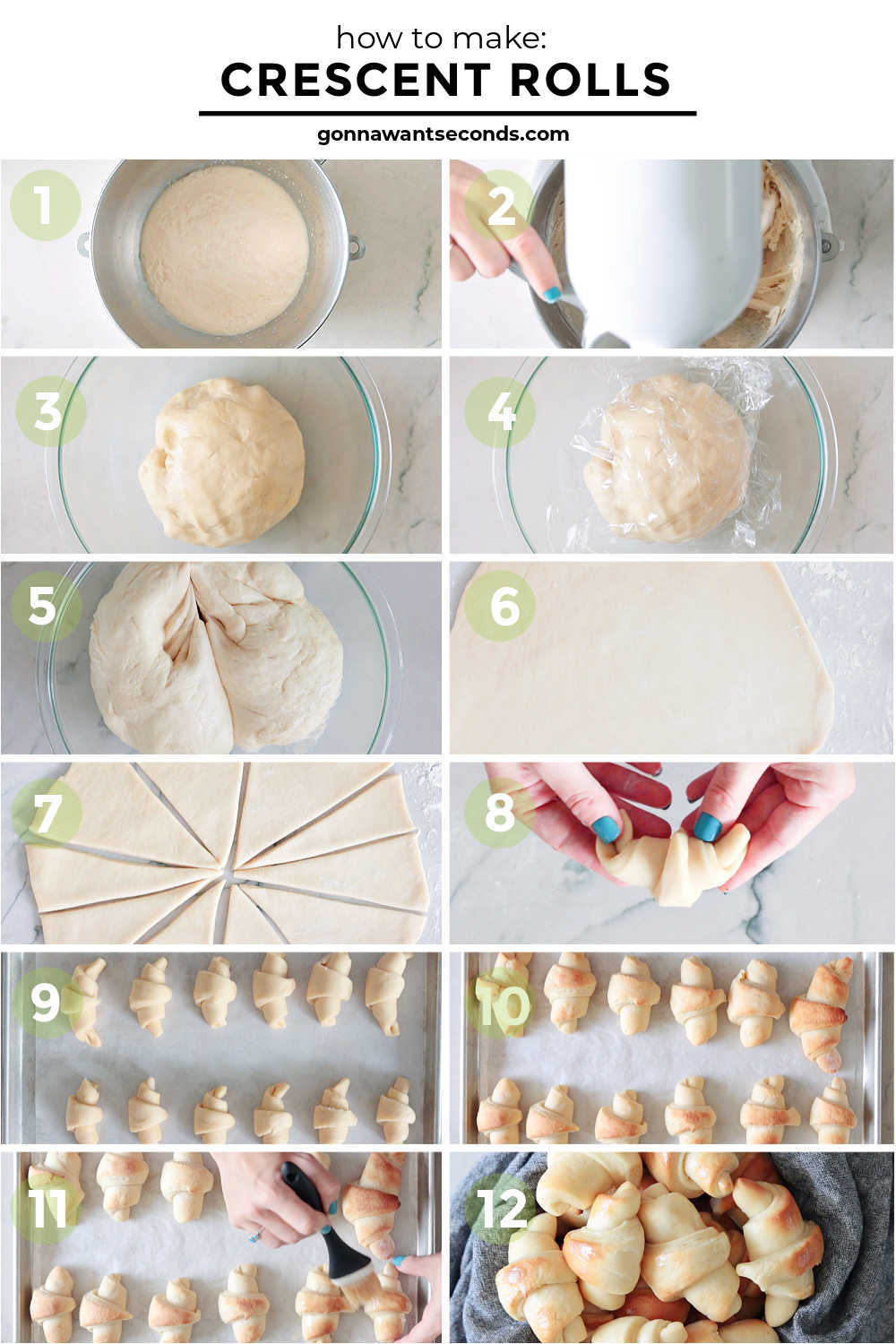
Activate the yeast. In the bowl of a stand mixer fitted with the paddle attachment, dissolve the yeast in the warm water with 1 teaspoon of the sugar. Let it sit for 5–10 minutes, until bubbly and foamy. This tells you the yeast is active and ready to work.
Make the dough. Add the remaining sugar, salt, eggs, butter, and 2 cups of the flour. Mix until combined, then add the remaining flour a little at a time until a soft dough forms that pulls away from the sides of the bowl. Knead on medium speed for 6–8 minutes, until smooth and elastic.
First rise. Transfer the dough to a lightly oiled bowl, turning once to coat. Cover loosely with plastic wrap and a towel, and let rise in a warm, draft-free place for about 1 1/2 hours, or until doubled in size.
Shape the rolls. Gently punch down the dough and divide it into 2 portions. Roll each portion into a 12-inch circle, then cut each circle into 12 wedges. Starting at the wide end, roll each wedge toward the point and curve slightly into a crescent. Place point-side down on parchment-lined baking sheets.
Second rise. Cover and let the rolls rise for about 2 hours, or until puffy and nearly doubled. This step is key to getting that light, airy texture.
Bake. Bake at 400°F for 9–12 minutes, or until golden brown. Brush immediately with melted butter and transfer to a wire rack.
🔬 The Bread Science
These crescent rolls get their light, airy texture from yeast, which produces carbon dioxide and fills the dough with tiny bubbles as it rises. The enriched dough — made with butter and eggs — creates a softer crumb and richer flavor than a basic bread dough. The second rise gives the shaped rolls time to puff up before baking, which helps them turn out light and tender instead of dense.
⭐ Pro Tips
⭐ Keep the dough soft
A slightly sticky dough will give you softer, lighter rolls. Adding too much flour makes them dense.
⭐ Don’t rush the second rise
This is where the texture is built. Under-proofed rolls will be tight and heavy.
⭐ Roll evenly
Even thickness helps the rolls bake uniformly and gives you a more polished, bakery-style result.
⭐ Bake just until golden
Overbaking dries them out quickly — pull them when lightly golden.
⭐ Brush with butter immediately
This locks in moisture and gives that classic glossy, soft finish.

⚠️ Common Mistakes to Avoid
- Adding too much flour → dense, dry rolls
- Water that’s too hot → kills the yeast
- Skipping the second rise → poor texture
- Overbaking → dry rolls
- Not letting dough fully rise → heavy interior
Storing + Reheating + Freezing + Make-Ahead Tips
Storing
Store leftover crescent rolls in an airtight container at room temperature for up to 3 days. They stay soft and tender thanks to the enriched dough.
Reheating
Warm the rolls in a 300°F oven for 5–7 minutes, or microwave gently for 10–15 seconds until soft and warm.
Freezing
Freeze baked rolls for up to 2 months. Thaw at room temperature, then warm before serving.
Make-Ahead (1–2 Days Before Baking)
If you want freshly baked crescent rolls without doing all the work the same day, this is the easiest way to get ahead.
🥄 1–2 Days Before Baking
Prepare the dough through the first rise. Once it has doubled in size, gently deflate it and transfer it to a lightly oiled resealable bag or airtight container. Refrigerate overnight, or up to 48 hours.
Chilling slows the rise, deepens the flavor, and makes the dough easier to handle when it’s time to shape the rolls.
🥄 Day of Baking
Remove the chilled dough from the refrigerator and let it sit at room temperature for about 30 minutes so it relaxes and becomes easier to roll. Shape the crescents as usual, place them on parchment-lined baking sheets, and let them rise until puffy and almost doubled. Because the dough is cold, this second rise will usually take a little longer, about 2–3 hours.
Bake as directed, then brush with melted butter while the rolls are still warm.
◆ Frequently Asked Questions
◆ Can I make crescent rolls ahead of time?
Yes. You can refrigerate the dough after the first rise and shape and bake the next day.
◆ Can I freeze crescent roll dough?
Yes. Shape the rolls, freeze before the second rise, then thaw and allow to rise before baking.
◆ Why didn’t my crescent rolls rise?
Most often it’s inactive yeast, incorrect water temperature, or not enough rise time in a warm environment.
◆ Can I use instant yeast instead of active dry?
Yes. You can mix it directly into the dough without proofing first.
◆ Are crescent rolls the same as croissants?
No. Croissants use laminated dough for flaky layers, while crescent rolls are made with enriched dough and are soft and tender.
◆ Are crescent rolls the same as dinner rolls?
Not exactly. Crescent rolls are shaped into wedges and rolled, giving them a different structure and appearance than round dinner rolls.
💗 If you still have questions, drop them in the comments — I’m always happy to help.
More Cozy Bread Recipes You’ll Love
- Garlic and Herb Parker House Roll — soft, buttery, and slightly sweet with a classic bakery-style texture
- Pull-Apart Garlic Bread — warm, buttery, and made for sharing with pasta night
- Butter Swim Biscuits — rich, tender, and incredibly easy with a golden buttery crust
- Dutch Oven Bread — rustic, crusty bread with minimal effort
- Beer Bread — quick, hearty, and perfect when you want homemade bread fast
- Bisquick Biscuits — classic, fluffy biscuits made with a pantry shortcut
Tried This Recipe?
💌 And while you’re here, don’t miss the next cozy recipe — subscribe to my totally FREE newsletter so you’ll always have comfort food favorites at your fingertips. 💌
If you enjoyed this recipe, please take a moment to leave ⭐️⭐️⭐️⭐️⭐️ star rating and a quick comment — I love hearing from you and it helps our community of bakers and cooks!
📸 And if you Gram… don’t forget to share your photo on Instagram — tag me @gonnawantseconds so I can cheer you on and share your creations!
Thanks for stopping by my kitchen today — happy cooking, friends! 💗 Kathleen

Crescent Rolls
Ingredients
Rolls:
- 2 (.25 ounce) packages active dry yeast
- 3/4 cup warm water (110 degrees°F or 45 degrees°C)
- 1/2 cup granulated sugar
- 1 1/4 teaspoon salt
- 2 large eggs
- 1/2 cup unsalted butter at room temperature
- 4 - 4 1/2 cups all-purpose flour
Topping:
- 1/4 cup unsalted butter melted
Instructions
- Line 2, 1/2 sheet baking sheets with parchment paper.
- In the bowl of a stand-up mixer, fitted with the paddle attachment, dissolve yeast (2 packages), warm water (3/4 cup), and 1 teaspoon of sugar. Let sit 5-10 minutes, until bubbly and foamy.
- Add remaining sugar, salt (1 1/4 teaspoon), eggs (2 large), butter (1/2 cup), and 2 cups of flour. Mix until combined. Mix in remaining flour, 1/4 cup at a time, to form a soft dough that pulls away from the sides of the bowl. Scrape dough from the side of the bowl. Knead on medium speed until smooth and elastic, about 6-8 minutes.
- Lightly oil a large mixing bowl. Remove dough from stand-up mixer bowl and shape into a ball. Add dough to mixing bowl and turn over to coat with the oil. Cover loosely with plastic wrap then lay a clean kitchen towel on top. Let rise in a warm, draft-free place for about 1 1/2 hours, or until the dough has doubled in size.
- After the dough has risen, gently punch it down and divide it into two balls. Roll each ball out into a circle that is about 12 inches wide, then cut each circle into twelve wedges. Roll up the wedges starting with the wide end. Curve ends to form crescents. Place rolls point side down on the prepared baking sheet. Cover and let rise for at least 2 hours.
- Bake at 400°F (205°C) for 9-12 minutes or until golden brown. Brush tops with melted butter (1/4 cup) when they come out of the oven. Remove from pans to wire racks.



Notes
- Active Dry Yeast: This recipe calls for active yeast. It differs from Instant yeast in that the Active needs to be dissolved before adding to the recipe. I prefer this because when the yeast dissolves, you will visually see it foam and activate and know it's live and will do its job and leaven the rolls.
- Warm Water: I like to use a thermometer to check the temperature of the water. It's simply foolproof. If the water is too hot, it will kill the yeast and if the water is too cool, it won't activate it.
- Cold Butter: It's important that the butter is very cold. It's will create flaky layers in your crescents.
- All-Purpose Flour: Use the spoon scooping method of measuring. It's very easy and ensures you don't add too much flour ( which could result in dry rolls) to the recipe.
- Make-Ahead Tips:
- Refrigerate Dough: The crescent rolls dough can be prepared through step 3. Then lightly oil the interior of a large resealable bag and place it in the fridge overnight. Remove from fridge and continue with step 4.
- Freeze Before Bake: Prepare through step 5, but do not allow to rise. Place baking sheet in the freezer. When the rolls are frozen, you can remove them from the baking sheet and place them in a resealable bag in the freezer. When ready to bake, remove from the freezer and loosely cover with plastic wrap. Allow to room temperature and double in size. Proceed with step 6.
Nutrition
On your phone? Check the web story here.



I baked these rolls yesterday. Turned out delicious, soft and so tasty. This recipe is a keeper. Thanks!
Hi, Natalie! Thank you so much, so glad you like these rolls! 🙂
There is nothing better than homemade crescent rolls, and these one are insanely good and just as easy to make.
I agree, I make them all the time. Thank you so much, Dee! 🙂
This is the most perfect crescent roll recipe! Everyone needs a classic crescent roll recipe like this!
Thank you, Leslie! I’m glad you like this 🙂
Your crescent rolls look really delicious and easy.
I love bread a lot and this one is my favorite.
Thank you, Amy! I’m glad you like these rolls! 🙂
Great tutorial for making the perfect crescent rolls. My family will love these.
Thank you, Jere! 🙂
Thanks for such a delicious and easy to make crescent roll! MY family devoured them!
Thank you so much, Dennis!