

This post may contain affiliate links. Please read our disclosure policy.
This easy homemade balsamic vinaigrette is one of those “why did I ever buy this?” recipes. A handful of pantry staples, a mason jar, and about 5 minutes are all you need to make a rich, tangy, slightly sweet dressing that actually makes everyone excited about salad. In fact, this was the very first recipe my daughter-in-law asked me to teach her how to make—and once you see how easy it is, you’ll understand why.
I love this recipe because it’s bold but beautifully balanced—real garlic and shallots, good balsamic, Dijon for a little zip and emulsifying magic, plus just enough sweetness to round everything out. It’s wonderful on simple tossed greens, but it also sings on hearty salads with crumbled feta, blue cheese, or goat cheese and plenty of crunchy veggies.
I use it on everything from my Portillo’s Chopped Salad to a big, veggie-packed Mediterranean Salad, and I have a feeling it’ll quickly become one of those staple dressings you reach for again and again for years to come.
So grab your favorite mason jar and let’s whisk up a balsamic vinaigrette that’ll have you reaching for seconds instead of side-eyeing the salad bowl. 💗
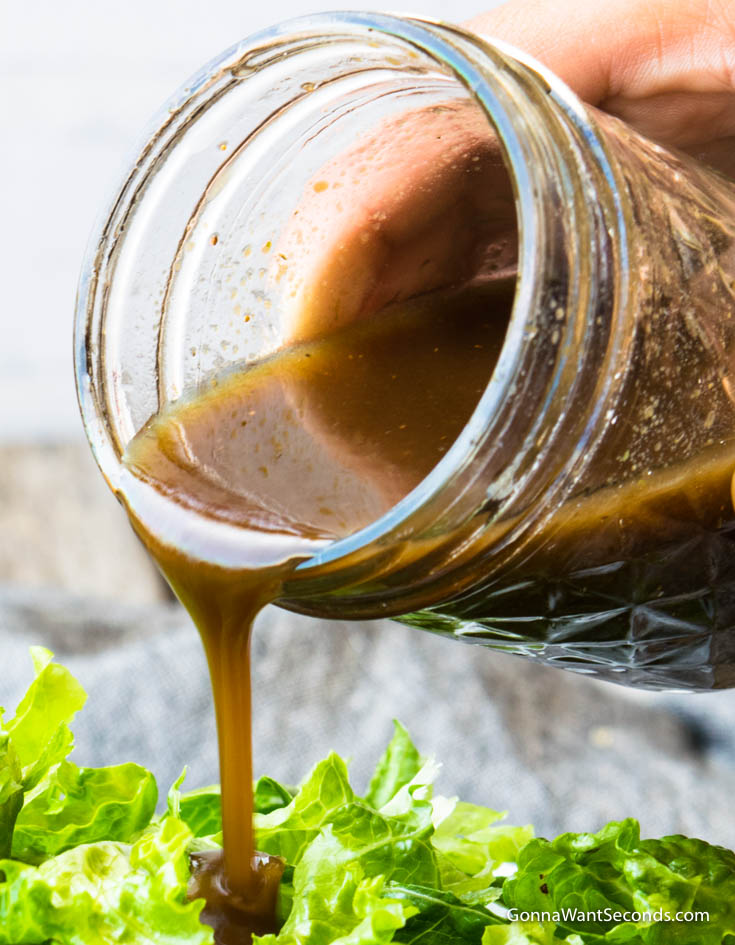
✨ Before You Start
✨ Use a balsamic you like the taste of. If your vinegar is harsh, bitter, or very sharp, the vinaigrette will be too. Give it a quick taste first—if it’s very intense, you may want a pinch more sugar or a splash more oil to balance it out.
✨ Minced garlic + shallot = big flavor. This dressing is simple, so the aromatics do a lot of heavy lifting. Mince them finely so they blend in without big raw chunks.
✨ Shake or whisk—your choice. A mason jar is perfect for shake-and-serve convenience, but a small mixing bowl and whisk work just as well.
✨ Blender for an ultra-emulsified dressing. If you prefer a thicker, creamier-style vinaigrette, use the blender method in the notes instead of whisking by hand.
✨ Plan to double it. It keeps well for about a week, so I often make a double batch—Portillo’s Chopped Salad one night, then simple green salads the rest of the week.
Why This Recipe Works
-
Classic 1:2 acid-to-oil ratio gives you a full-flavored vinaigrette that’s neither too sharp nor too oily.
-
Dijon mustard acts as an emulsifier, helping the oil and vinegar stay blended instead of separating right away.
-
Garlic, shallot, and Italian seasoning layer in savory, herby flavor so it tastes like much more than just oil and vinegar.
-
A touch of sugar softens the vinegar’s acidity and lets the sweetness of the balsamic shine without making the dressing taste “sweet.”
Balsamic Vinaigrette Ingredients + Key Notes
This is just a quick glance at what you’ll need. For exact measurements and the full ingredient list, head down to the recipe card below.
-
Balsamic vinegar – The star of the show. Not all balsamic is created equal, so use one you enjoy the flavor of straight from the bottle. A moderately priced, good-quality balsamic (like you’ll find at Trader Joe’s) is perfect here.
-
Fresh garlic – Fresh cloves give you that irresistible savory punch jarred garlic just can’t match. Don’t skip it—it’s a big part of the “homemade tastes better” factor.
-
Shallot – From the onion family, but milder and more delicate. It adds subtle sweetness and complexity without overpowering the dressing.
-
Dijon mustard – Adds gentle heat, tang, and depth, plus it helps emulsify the dressing so it’s nicely blended instead of separated.
-
Dried Italian seasoning – A handy shortcut blend of herbs that gives you that classic, herby flavor. If you’d like to use fresh herbs instead, use roughly three times as much fresh as dried.
-
Sugar – Just regular granulated sugar to balance the acidity of the vinegar. You can adjust up or down for your taste, or swap to honey/stevia (see variations below).
-
Salt + black pepper – Essential for rounding out the flavors. Always taste and adjust at the end—your balsamic may be more or less salty or sharp.
-
Olive oil – Extra virgin olive oil adds body, silkiness, and beautiful aroma. Choose one that’s flavorful but not overly bitter so it doesn’t dominate the dressing.
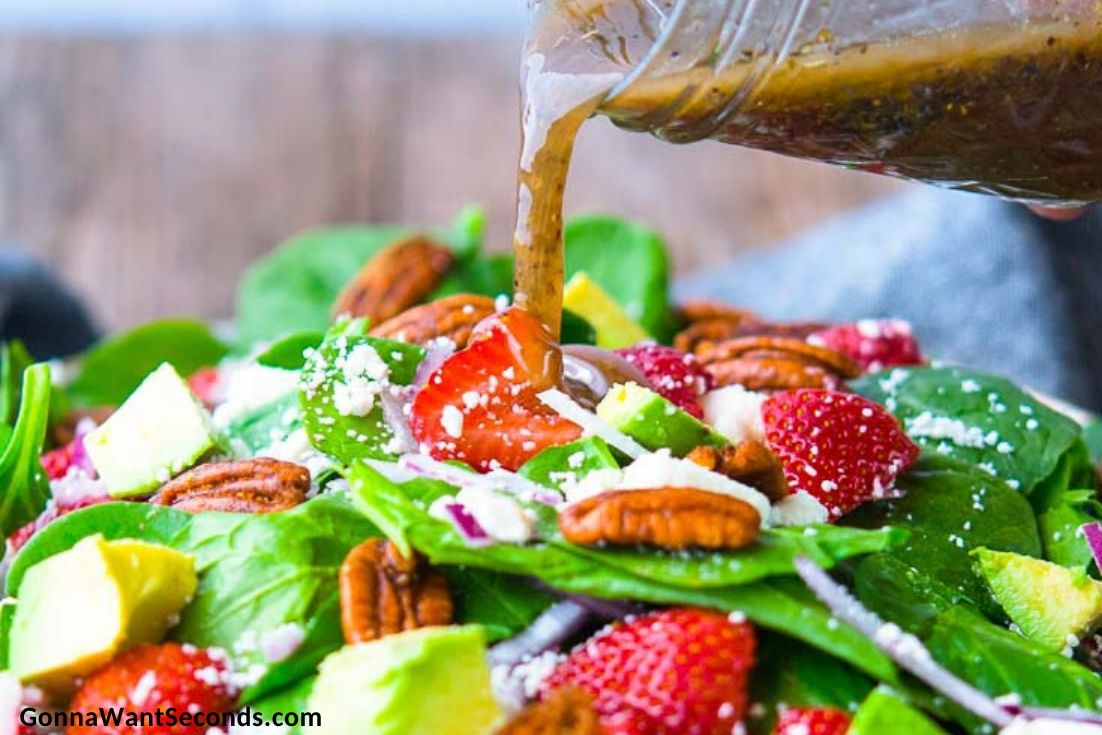
Balsamic Vinaigrette Variations
-
Use a different acid. Swap the balsamic for freshly squeezed lemon juice or a good-quality red wine vinegar for a brighter, lighter vinaigrette.
-
Try white balsamic. For a paler dressing with a slightly softer flavor, use white balsamic vinegar instead of traditional dark balsamic.
-
Creamy balsamic vinaigrette. Whisk in 2–3 tablespoons of mayonnaise until the dressing is smooth and lightly thickened.
-
Change the sweetener. Replace the sugar with about 1 tablespoon honey or maple syrup for a deeper, more nuanced sweetness.
-
Lower-sugar option. Skip the sugar entirely and let the natural sweetness of the balsamic do the work, or start with 1/8 teaspoon stevia and adjust to taste (it’s much sweeter than sugar).
-
Flavored oil. Infuse your olive oil with garlic or herbs, or use a mild flavored oil to add another subtle layer of flavor.
🔬 The Science of Great Balsamic Vinaigrette
A classic vinaigrette is simply an emulsion—tiny droplets of oil suspended in vinegar. Because oil and water don’t naturally mix, we need a little help to keep the dressing cohesive instead of separating into layers.
-
Dijon mustard is an emulsifier. Its proteins and mucilage help “grab” both oil and water molecules so they stay dispersed and creamy instead of splitting apart.
-
Whisking or shaking vigorously breaks the oil into tiny droplets, which makes it easier for the mustard and other ingredients to hold everything together.
-
The 1:2 acid-to-oil ratio creates a dressing that’s tangy but still smooth and pleasant on the palate. Too much acid will taste sharp and harsh; too much oil tastes flat and greasy.
-
Sugar (or honey) balances acidity. A small amount of sweetness doesn’t make the dressing sugary—it simply rounds off the acidic edges so the flavors taste more “full” and less puckery.
Once you understand that balance of acid, fat, and sweetness, you can tweak this recipe to perfectly match your taste and the salad you’re serving.
How To Make Balsamic Vinaigrette

To make your balsamic vinaigrette, simply add the balsamic vinegar, minced garlic, chopped shallot, Dijon, Italian seasoning, sugar, salt, and pepper to a mason jar or small bowl, then pour in the olive oil; shake the jar vigorously (or whisk in the bowl, slowly drizzling in the oil as you go) until the dressing looks thickened and well combined, taste and adjust the seasoning if needed, and you’re ready to drizzle—any leftovers can be covered and refrigerated for up to a week, giving the flavors even more time to mingle.
If you’d like to use the blender method, add everything except the garlic, shallot, and oil to the blender, blend until smooth, then—with the motor running—slowly stream in the oil until the vinaigrette is emulsified; stir in the garlic and shallot at the end so they stay a bit textured.
**See full instructions in the recipe below**
⭐ Pro Tips
⭐ Choose the right balsamic
If your balsamic is extremely sharp or bitter, your dressing will taste off no matter what you do. Give it a little taste first; if it seems very strong, start with a slightly scant 1/4 cup or add an extra pinch of sugar and a splash more oil to keep things in balance.
⭐ Use a mason jar for mix-and-store ease
A pint-sized mason jar makes this recipe almost effortless—measure everything right into the jar, screw on the lid, and shake until it’s emulsified. You can serve straight from the jar and pop it back into the fridge when you’re done. Less cleanup, more salad.
⭐ Add the aromatics at the end for blender versions
If you’re using the blender method, blend the vinegar, seasoning, mustard, sugar, salt, and pepper with a bit of oil first, then whisk or stir in the raw garlic and shallots afterward. This keeps their flavor fresher and prevents them from turning bitter from overprocessing.
⭐ Let it rest for maximum flavor
If you have the time, let the vinaigrette sit for at least 15–30 minutes before serving. This gives the garlic, shallots, and herbs a chance to infuse the oil and vinegar, and the dressing tastes more cohesive and “rounded.”
⭐ Pair it with the right cheeses
This vinaigrette is especially delicious with crumbly, tangy cheeses like goat cheese, blue cheese, or feta. The acidity of the dressing cuts through the richness of the cheese, and the cheese, in turn, softens the vinegar’s bite—salad magic.
Storing + Freezing + Make-Ahead Tips
Storing
- Store your balsamic vinaigrette in a jar or bottle with a tight-fitting lid in the refrigerator for up to 1 week. The oil may firm up a bit when chilled; just let the jar sit at room temperature for 10–15 minutes and shake well before serving.
Freezing
- Freezing isn’t recommended for this vinaigrette. The emulsion tends to break and the texture suffers once thawed, and fresh garlic and shallots don’t freeze particularly well in this form.
Make-Ahead
- This is a perfect make-ahead recipe. Mix it up 1–3 days before you plan to serve it and store it in the fridge. In fact, the flavors only get better as they have a chance to meld, which makes it ideal for holiday salads or dinner parties. Just remember to shake well before using.
Food Safety
- If you’d like more info on food safety, check out this link.
What to Serve With Balsamic Vinaigrette
Fresh + Crisp Sides
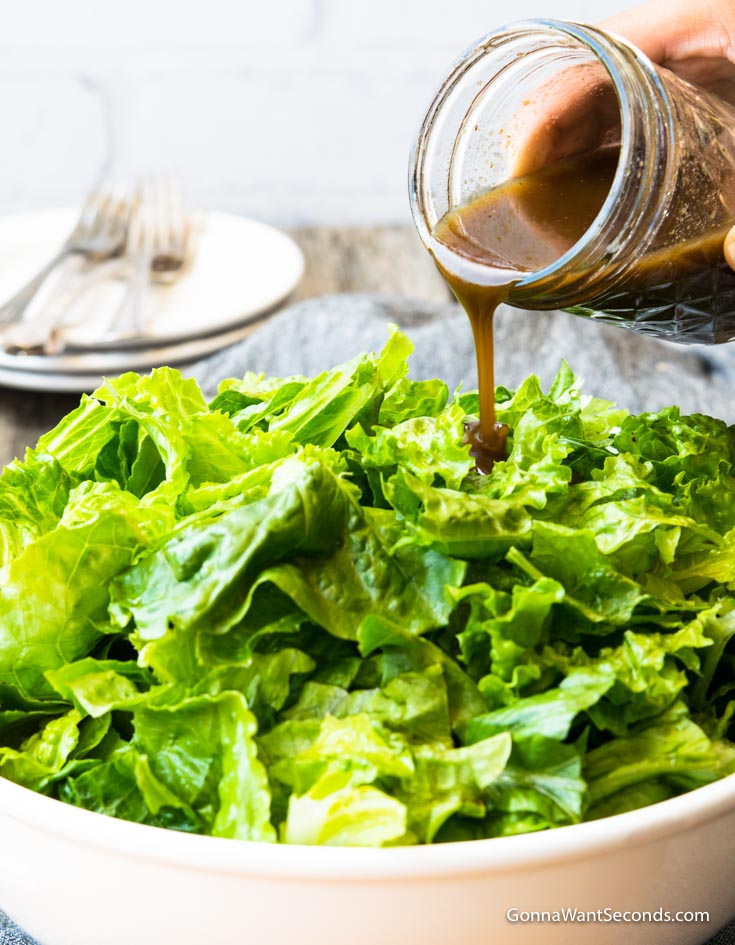
Balsamic vinaigrette loves a big, colorful salad. Try it drizzled over a simple House Salad, or toss it with my Strawberry Spinach Salad for a sweet-tangy combo that feels special enough for company. It’s also fantastic on classic 1905 Salad when you want something bright and veggie-packed alongside your main dish.
Cozy Breads to Serve Alongside
When salad is the star, a cozy bread basket makes the meal feel complete. Serve your greens with Homemade Crescent Rolls, crisp, buttery Garlic Bread, quick and easy Beer Bread, or a loaf of Practically No Knead Bread so everyone can soak up any extra vinaigrette left on their plate.
Balsamic Vinaigrette FAQs
✦ What is balsamic vinaigrette?
Balsamic vinaigrette (also called balsamic dressing) is a simple variation on classic French vinaigrette made with balsamic vinegar instead of wine vinegar. The balsamic gives it a slightly sweeter, richer flavor, and in this recipe it’s boosted with fresh garlic, shallots, Dijon mustard, and Italian herbs for lots of savory depth.
✦ What is the best olive oil to balsamic vinegar ratio for vinaigrette?
A traditional vinaigrette usually falls in the 2–3:1 ratio of oil to vinegar, depending on how tangy you like it. This recipe leans into that classic range so it’s full-flavored without being harsh. You can always adjust to taste—add a little more oil for a softer, richer dressing or a splash more balsamic if you like a sharper bite.
✦ Can I use white balsamic vinegar instead of regular balsamic?
Yes! White balsamic vinegar works beautifully in this recipe and gives you a lighter-colored dressing with a slightly softer, more delicate flavor. Just swap it 1:1 for the dark balsamic.
✦ How can I mellow the acidity if my dressing tastes too sharp?
If your vinaigrette tastes harsh, you can add a pinch or two more sugar (or honey), whisk in another tablespoon or so of olive oil, or even add a tiny splash of water to soften the edges. Make small adjustments, tasting as you go, until it tastes balanced and smooth.
✦ Can I use fresh herbs instead of dried Italian seasoning?
Absolutely. As a general rule, use about three times as much fresh herb as dried. So if the recipe calls for 1 tablespoon dried Italian seasoning, you’d use roughly 3 tablespoons of finely chopped fresh herbs (like basil, oregano, and parsley). Stir fresh herbs in at the end for the brightest flavor.
✦ Is there a way to make this vinaigrette lower in sugar?
Yes. You can omit the sugar entirely and rely on the natural sweetness of the balsamic, or sweeten it with a small amount of stevia instead. Start with about 1/8 teaspoon stevia, taste, and add a little more only if needed—stevia is much sweeter than sugar.
✦ How long does homemade balsamic vinaigrette last?
Stored properly in the refrigerator, this vinaigrette will keep for up to 1 week. Give it a good shake before each use, and always use clean utensils when serving to help it stay fresh as long as possible.
Still have questions? Drop them in the comments — I love helping you bake + cook with confidence! 💗
More Recipes That Feature Balsamic Vinaigrette
Tried This Recipe?
💌 And while you’re here, don’t miss the next cozy recipe — subscribe to my totally FREE newsletter so you’ll always have comfort food favorites at your fingertips. 💌
If you enjoyed this recipe, please take a moment to leave ⭐️⭐️⭐️⭐️⭐️ star rating and a quick comment — I love hearing from you and it helps our community of bakers and cooks!
📸 And if you Gram… don’t forget to share your photo on Instagram — tag me @gonnawantseconds so I can cheer you on and share your creations!
Thanks for stopping by my kitchen today — happy cooking, friends! 💗 Kathleen
Balsamic Vinaigrette
Ingredients
- 1/4 cup balsamic vinegar
- 1-2 cloves garlic minced
- 1 tablespoon shallot
- 1 tablespoon Dijon mustard
- 1 tablespoon dried Italian seasoning
- 1 teaspoon sugar
- 1/4 teaspoon black pepper
- 1/2 teaspoon salt
- 1/2 cup olive oil
Instructions
- In a jar with a tightly fitting lid, add all ingredients and shake vigorously to combine, or add all ingredients to a small mixing bowl and whisk together until well combined. Any leftovers can be kept in the fridge for 1 week.



Notes
- Choose the right balsamic. If your balsamic is extremely sharp or bitter, your dressing will taste off no matter what you do. Give it a little taste first; if it seems very strong, start with a slightly scant 1/4 cup or add an extra pinch of sugar and a splash more oil to keep things in balance.
- Use a mason jar for mix-and-store ease. A pint-sized mason jar makes this recipe almost effortless—measure everything right into the jar, screw on the lid, and shake until it’s emulsified. You can serve straight from the jar and pop it back into the fridge when you’re done. Less cleanup, more salad.
- Add the aromatics at the end for blender versions. If you’re using the blender method, blend the vinegar, seasoning, mustard, sugar, salt, and pepper with a bit of oil first, then whisk or stir in the raw garlic and shallots afterward. This keeps their flavor fresher and prevents them from turning bitter from overprocessing.
- Let it rest for maximum flavor. If you have the time, let the vinaigrette sit for at least 15–30 minutes before serving. This gives the garlic, shallots, and herbs a chance to infuse the oil and vinegar, and the dressing tastes more cohesive and “rounded.”
- Pair it with the right cheeses. This vinaigrette is especially delicious with crumbly, tangy cheeses like goat cheese, blue cheese, or feta. The acidity of the dressing cuts through the richness of the cheese, and the cheese, in turn, softens the vinegar’s bite—salad magic.
Nutrition



It says 1062 calories. I am assuming that is for the whole batch, not per serving?
Hi, Lori Kay. Yes, that’s for the whole batch. I edited it and now reflects the amount per serving. Thank you!
I made this with White Balsamic and it was heavenly!
That’s great, Chavelle! So happy to hear you liked it! 😀
you said cooking time was 5 mins, but nowhere in the recipe itself did you say to cook the dressing.
Sorry Lynda, that’s a typo. There’s no cooking. It’s just 5 minutes of prep time.
How do I get copies of your most popular recipes
Hi Marisa! When you sign up for our weekly newsletter you receive a copy for free. <3