
This post may contain affiliate links. Please read our disclosure policy.
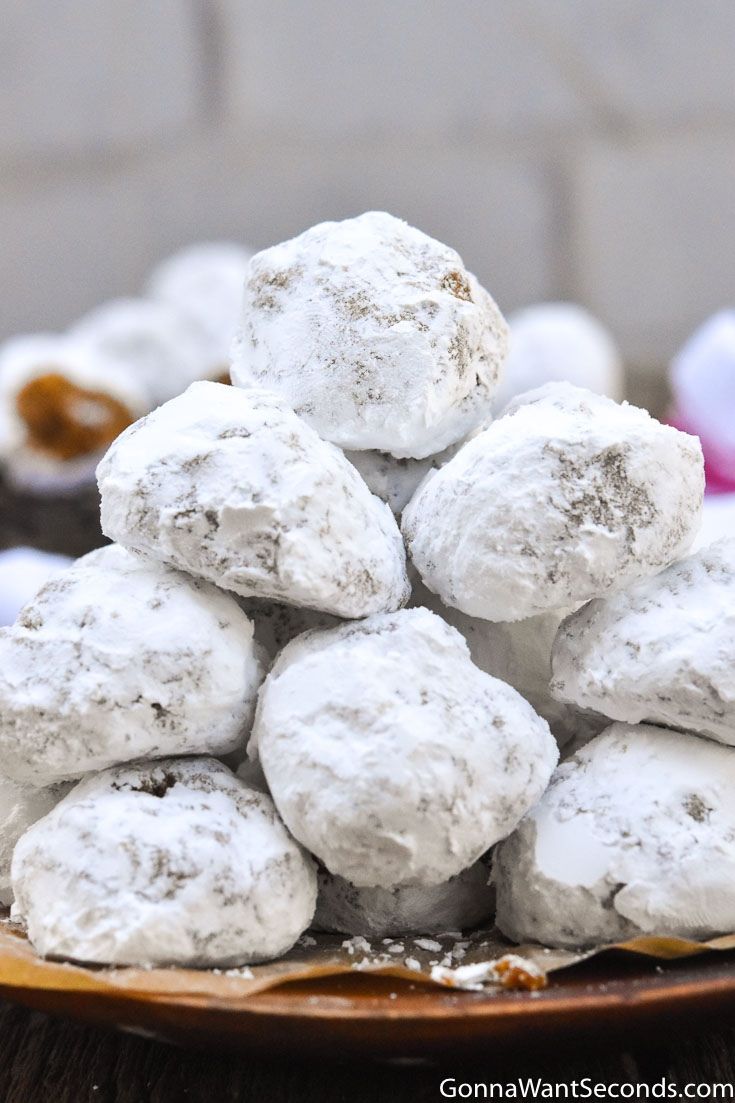
What Are Pfeffernusse Cookies?
Pfeffernusse (also spelled Pfeffernüsse) are small, traditional German spice cookies especially popular during the Christmas season. Their name translates to “pepper nuts,” a reference to the pepper traditionally used in the spice blend and their small, round shape—not because the cookies contain actual nuts in every version.
They’re made with a fragrant combination of warm spices that can include cinnamon, cardamom, cloves, nutmeg, ginger, allspice, and white or black pepper. Recipes vary by region and family, with some including nuts, candied citrus peel, anise, or a sweet glaze.
My Pfeffernusse recipe is soft and chewy, with almonds, candied orange peel, molasses, and white pepper, then finished with two generous coatings of powdered sugar.
🥣 How to Make Pfeffernusse Cookies
Bloom the spices. Melt the butter over medium-low heat, then add the cardamom, cinnamon, nutmeg, allspice, cloves, ginger, and white pepper. Whisk constantly for about 15 seconds, just until fragrant.
Add the sweeteners. Pour the spiced butter into a large mixing bowl. Stir in the molasses and dark brown sugar, then let the mixture cool completely.
Process the dry ingredients. Add the flour, almonds, candied orange peel, baking soda, and salt to a food processor. Pulse until the almonds and orange peel are very finely chopped and evenly distributed.
Make the dough. Whisk the egg into the cooled butter mixture, then stir in the flour mixture just until everything comes together.
Chill. Shape the dough into a disk, wrap it well, and refrigerate for at least 2 hours, or overnight.
Shape and bake. Scoop the chilled dough and roll it into small balls. Arrange them about 1 inch apart on parchment-lined baking sheets and bake at 325°F for about 10 minutes, until just set with lightly golden edges.
Coat with sugar. Let the cookies cool for a few minutes, then roll them in confectioners’ sugar while they’re still warm. Transfer to a wire rack to cool completely, then roll them in confectioners’ sugar a second time for a snowy finish.
⭐ Pro Tips
⭐ Bloom, don’t burn, the spices. They only need about 15 seconds in the warm butter. As soon as they’re wonderfully fragrant, they’re ready.
⭐ Cool the butter mixture before adding the egg. It should no longer feel warm. Adding the egg while the mixture is hot can cause it to cook.
⭐ Process the almonds and orange peel very finely. You want their flavor throughout every cookie without noticeable chunks.
⭐ Don’t rush the chill. Give the dough at least 2 hours in the refrigerator. Firm, cold dough is much easier to roll and helps the cookies hold their shape in the oven.
⭐ Keep them small. Pfeffernusse are traditionally little cookies, and keeping the dough balls uniform helps them bake evenly. Once we confirm the exact capacity of your “small cookie scoop,” I’d put the measurement here rather than leave “small” subjective.
⭐ Don’t overbake. Pull them when they’re just set and the edges are lightly golden. Overbaking works against the chewy texture we’re after.
⭐ Sugar them twice. The first coating goes on while the cookies are still warm so some of the sugar adheres and melts into the surface. The second goes on once they’re completely cool to create that pretty, snowy coating.
⭐ They’re even better the next day. The warm spices deepen and meld as the cookies rest, making Pfeffernusse an especially good make-ahead Christmas cookie.
Storing + Freezing + Make-Ahead
Storing: Let the Pfeffernusse cookies cool completely, then store them in an airtight container at room temperature for up to 2 weeks. Their warm spice flavor actually gets better after a day or two, making them a great cookie to bake ahead for the holidays.
Can You Freeze Pfeffernusse Cookies?
Absolutely! Pfeffernusse cookies freeze beautifully. Let the baked cookies cool completely, then freeze them in an airtight container or freezer bag for up to 3 months. Place parchment or wax paper between layers to protect the powdered sugar coating. Thaw at room temperature and give them another quick roll in confectioners’ sugar before serving if needed.
You can freeze the cookie dough, too. Scoop and roll the dough into balls, freeze them on a parchment-lined baking sheet until firm, then transfer them to a freezer bag or airtight container. Freeze for up to 3 months. Thaw the dough overnight in the refrigerator before baking.
Make-Ahead Tips
The dough can be made up to 2 days ahead and stored tightly wrapped in the refrigerator. When you’re ready to bake, scoop and roll the chilled dough into balls and bake as directed.
For even easier holiday prep, bake the cookies a few days ahead. Pfeffernusse are particularly well suited to making ahead because their spice flavor deepens as they rest.
How Long Does Pfeffernusse Dough Last in the Refrigerator?
Pfeffernusse dough can be refrigerated for up to 2 days when tightly wrapped. If you need to keep it longer, freeze the dough instead.
Pfeffernusse FAQs
◆ What does Pfeffernusse mean?
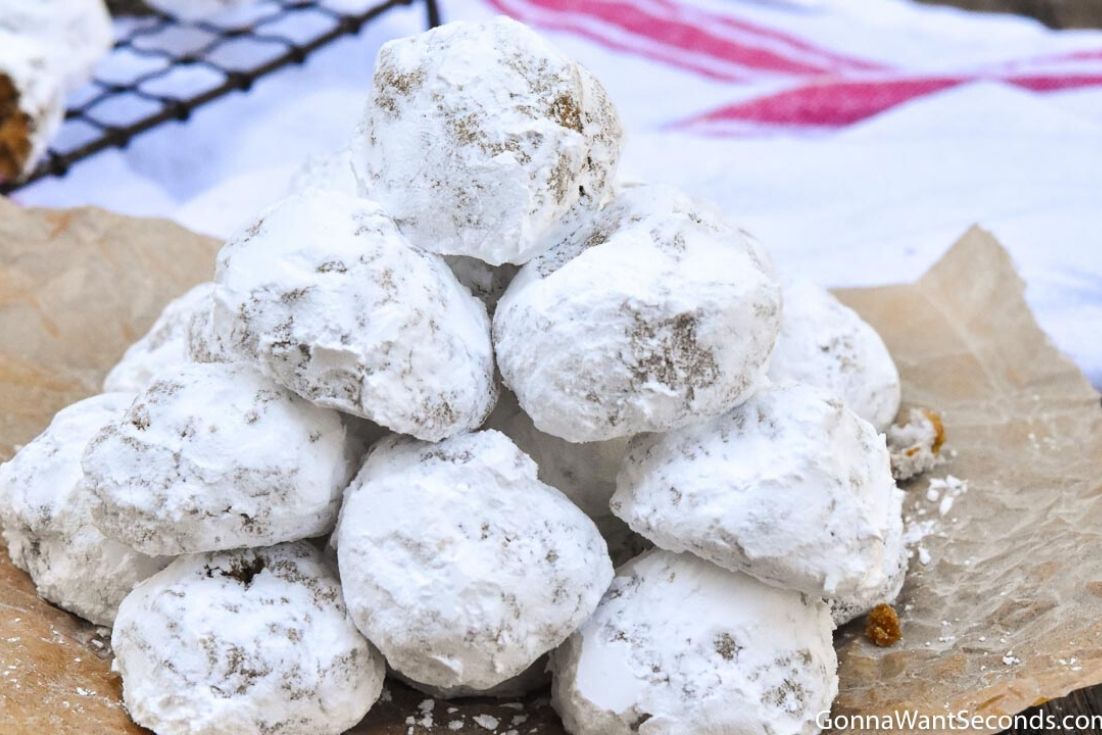
Pfeffernüsse translates to “pepper nuts” in German. The name refers to the pepper traditionally used to spice these little cookies and their small, round shape. Despite the name, Pfeffernusse recipes don’t necessarily contain nuts—although my version does include finely ground almonds.
◆ How do you pronounce Pfeffernusse?
Pfeffernusse is roughly pronounced FEH-fer-noo-suh. The German spelling is Pfeffernüsse, although you’ll commonly see Pfeffernusse used in English-language recipes.
◆ What do Pfeffernusse cookies taste like?
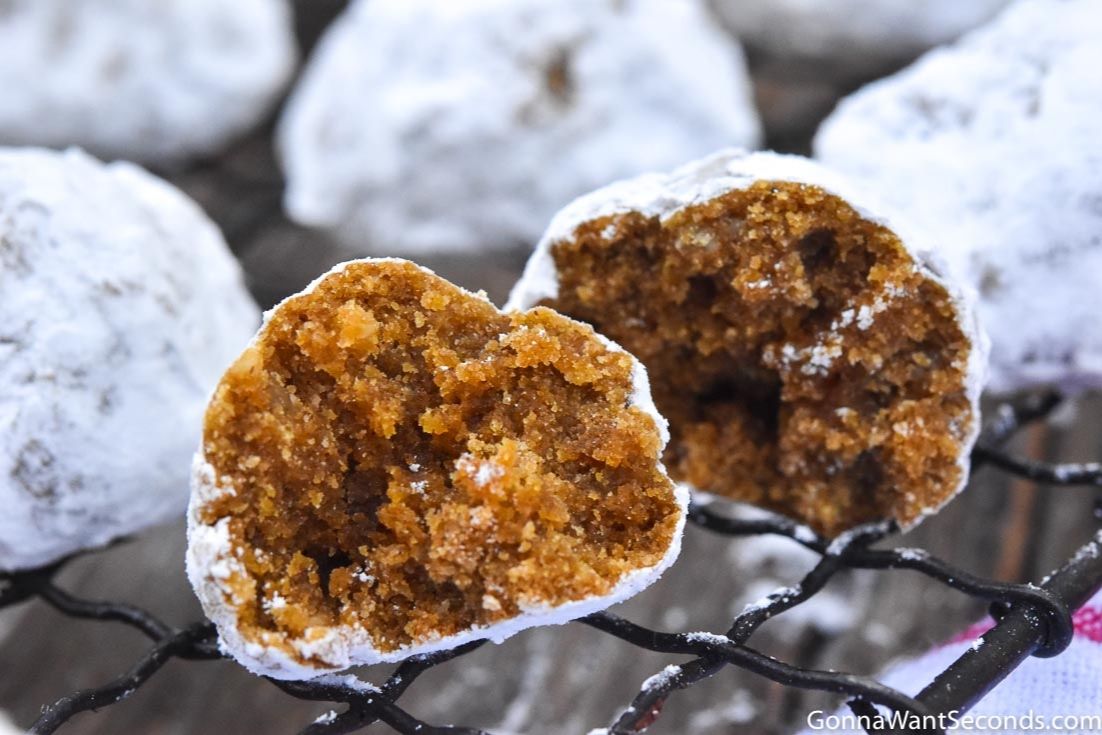
They’re deeply spiced, lightly peppery, and rich with molasses, with hints of citrus and almond in this recipe. Cardamom, cinnamon, ginger, cloves, nutmeg, allspice, and white pepper give them a more complex flavor than a typical ginger or molasses cookie.
◆ Are Pfeffernusse the same as gingerbread cookies?
No. While both are traditional Christmas cookies filled with warm spices, Pfeffernusse have their own distinctive spice profile. They typically include pepper and often feature cardamom, nuts, candied citrus peel, or other spices and flavorings that aren’t always found in gingerbread.
◆ Why is there pepper in Pfeffernusse?
Pepper is part of the traditional spice mixture and is where the “pepper” in Pfeffernüsse comes from. Don’t worry about your cookies tasting peppery, though. The small amount of white pepper in this recipe blends with the other spices and adds a subtle background warmth.
◆ Why are my Pfeffernusse cookies hard?
The most likely culprit is overbaking. Take the cookies out when they’re just set and the edges are lightly golden. Pfeffernusse also change as they rest, so don’t judge their final texture straight from the oven.
◆ Do Pfeffernusse get better with age?
Yes! Pfeffernusse are an excellent make-ahead Christmas cookie. Their spice flavors meld and deepen after they’ve had a little time to rest. Store the completely cooled cookies in an airtight container and they’re often even more flavorful the next day.
Can I Make This Recipe More Italian?
If you’re looking for a bit more of an Italian feel, consider Italian fig cookies with their sweet figgy filling. I also love Italian Christmas cookies. These festive little bites of deliciousness have a big almond taste that matches their colorful presentation.
Can I Turn These Into Butter Cookies?
Butter cookies focus their flavor on sweet, creamy butter. This recipe is all about the spice, so I don’t think it would make a good butter cookie recipe. However, for fantastic Christmas butter cookies, look no further than another German creation.
Cream cheese spritz cookies and chocolate spritz cookies are so much fun to make with your cookie press and they are melt in your mouth delicious!
More German Recipes to Try
Kuchen: A classic German cake with an old-fashioned, home-baked feel that’s perfect for anyone who loves traditional German baking.
Bee Sting Cake: This German favorite combines a tender cake with creamy filling and a sweet, crunchy honey-almond topping.
German Goulash: Switch from sweet to savory with this hearty German beef stew, slow-cooked until tender in a rich, deeply flavored gravy.
Pfeffernusse
Ingredients
- 4 tablespoons unsalted butter
- 1 teaspoon ground cardamom
- 1 teaspoon ground cinnamon
- 1/2 teaspoon nutmeg
- 1/2 teaspoon allspice
- 1/4 teaspoon ground cloves
- 1/2 teaspoon ground ginger
- 1/4 teaspoon white pepper
- 1/3 cup molasses
- 1/2 cup dark brown sugar, firmly packed
- 2 cups all-purpose flour
- 1/4 cup blanched, slivered almonds
- 1/4 cup candied orange peel
- 1/2 teaspoon baking soda
- 1/2 teaspoon salt
- 1 large egg
- 1/2 cup confectioners' sugar, more if needed.
Instructions
- In a small skillet set over medium-low heat, melt butter (4 tablespoons). Add cardamom (1 teaspoon), cinnamon (1 teaspoon), nutmeg (1/2 teaspoon), allspice (1/2 teaspoon), cloves (1/4 teaspoon), ginger (1/2 teaspoon), and white pepper (1/4 teaspoon), then cook for 15 seconds, whisking constantly.
- Pour butter mixture into a large mixing bowl and stir in molasses (1/3 cup) and brown sugar (1/2 cup) until combined. Set aside and allow to cool completely.
- Add flour (2 cups), almonds (1/4 cup), orange peel (1/4 cup), baking soda (1/2 teaspoon), and salt (1/2 teaspoon) to the bowl of a food processor and process (using pulse method) until mixture is finely ground.
- Whisk the egg (1) into the cooled butter mixture then whisk in flour mixture just until incorporated. Shape the dough into a disk, wrap with plastic wrap, and refrigerate until the dough is firm, about 2 hours minimum.
- Preheat oven to 325ºF (163ºC). Line baking sheets with parchment paper.
- Using a small cookie scoop, scoop the dough and then roll to form balls. Arrange on prepared baking sheets 1 inch apart.
- Bake in the preheated oven for about 10 minutes or until just set and the edges are lightly golden. Let cookies cool a few minutes then roll in confectioners' sugar (1/2 cup) while they're still warm. Set on a wire rack and cool completely. When completely cool, roll again in confectioners' sugar.
Fans Also Made:
Notes
- Bloom, don’t burn, the spices. They only need about 15 seconds in the warm butter. As soon as they’re wonderfully fragrant, they’re ready.
- Cool the butter mixture before adding the egg. It should no longer feel warm. Adding the egg while the mixture is hot can cause it to cook.
- Process the almonds and orange peel very finely. You want their flavor throughout every cookie without noticeable chunks.
- Don’t rush the chill. Give the dough at least 2 hours in the refrigerator. Firm, cold dough is much easier to roll and helps the cookies hold their shape in the oven.
- Keep them small. Pfeffernusse are traditionally little cookies, and keeping the dough balls uniform helps them bake evenly. Once we confirm the exact capacity of your “small cookie scoop,” I’d put the measurement here rather than leave “small” subjective.
- Don’t overbake. Pull them when they’re just set and the edges are lightly golden. Overbaking works against the chewy texture we’re after.
- Sugar them twice. The first coating goes on while the cookies are still warm so some of the sugar adheres and melts into the surface. The second goes on once they’re completely cool to create that pretty, snowy coating.
- They’re even better the next day. The warm spices deepen and meld as the cookies rest, making Pfeffernusse an especially good make-ahead Christmas cookie.
Nutrition
Source: Adapted from The Perfect Cookie



Hello! Looks amazing 🥰, can I get this recipe in metric ?
Thank you!
Awesome recipe…I Love pfeffernusse cookies. This recipe is the tops!!
Hi, Charlyn! So do I. Glad you like this 🙂