
This post may contain affiliate links. Please read our disclosure policy.
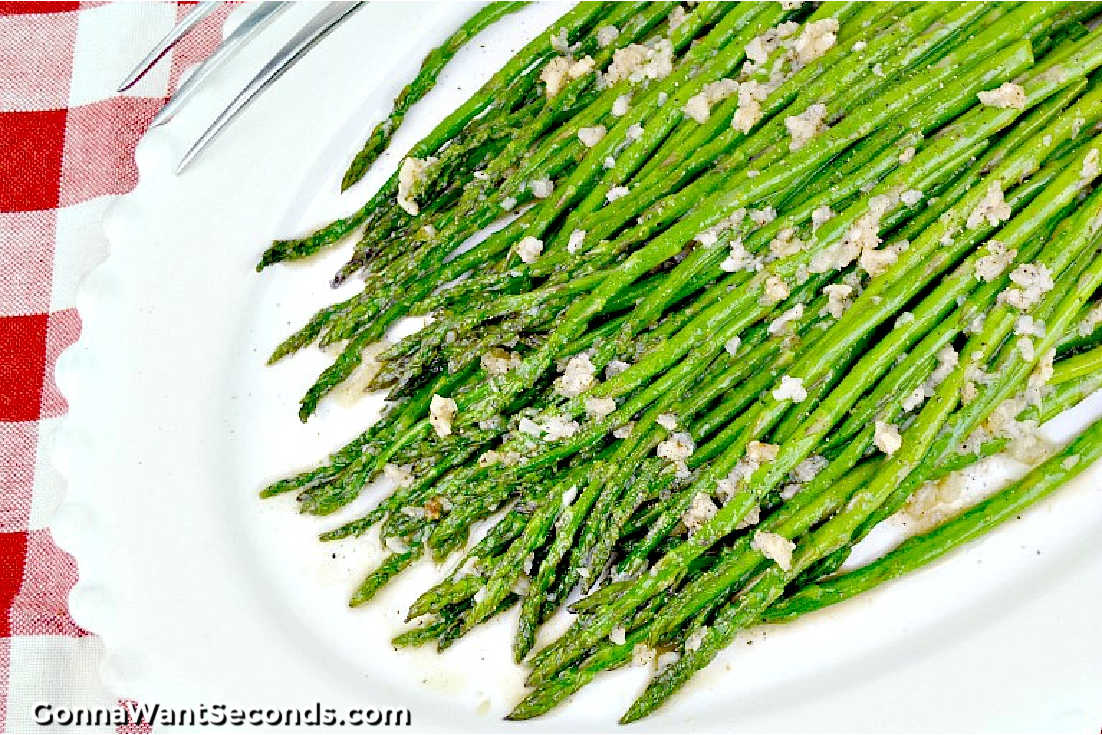
Crisp-tender sautéed asparagus with lightly golden edges and a hint of garlic is one of the fastest, most reliable side dishes you can make — ready in under 10 minutes. The key is high heat, a quick cook time, and adding garlic at just the right moment so it doesn’t burn or turn bitter.
If you’ve ever ended up with limp, soggy asparagus, this method fixes that for good. And if you love simple asparagus recipes like this, you have to try my roasted garlic asparagus with feta next — it’s one of the most popular versions on the site and always a crowd favorite.
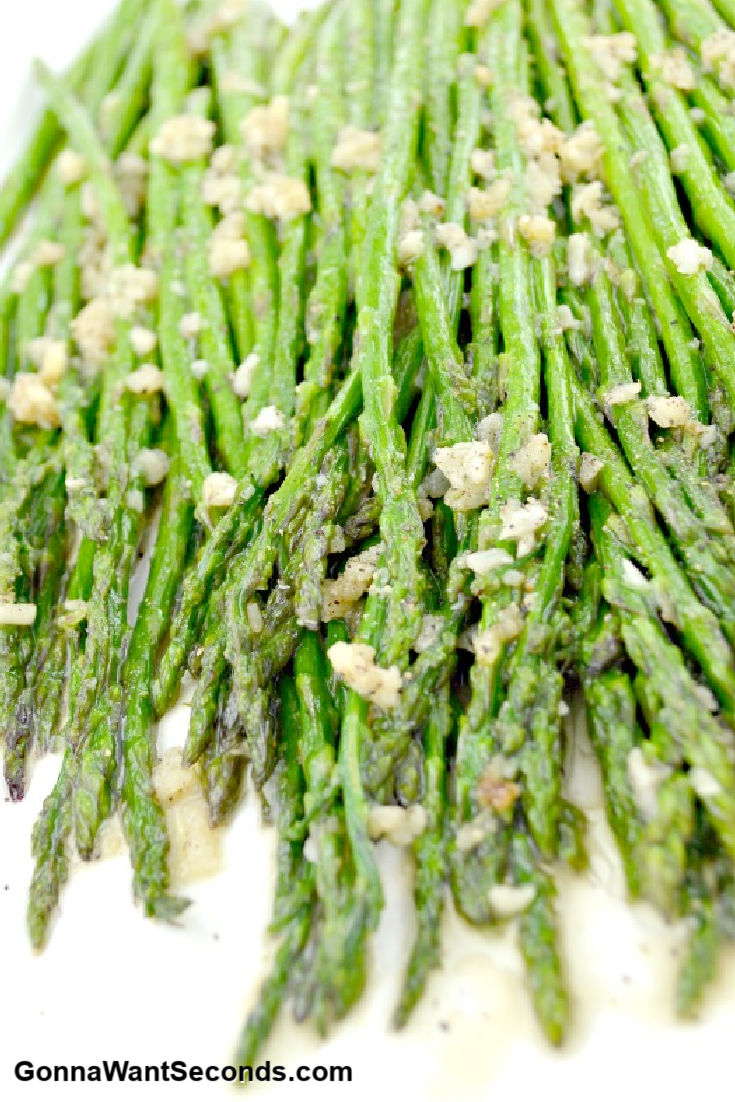
How to Sauté Asparagus (Quick Answer)
- Heat 1–2 tablespoons olive oil in a large skillet over medium-high heat
- Add trimmed asparagus in a single layer
- Cook for 5–7 minutes, turning occasionally
- Add minced garlic during the last 1–2 minutes
- Season with salt and pepper and serve immediately
👉 Asparagus is done when it’s bright green, lightly browned in spots, and crisp-tender.
✨ Before You Begin
✨ Trim the woody ends: Snap or cut off the tough bottoms for the best texture
✨ Dry the asparagus well: Moisture causes steaming instead of sautéing
✨ Use a large skillet: Overcrowding leads to soggy asparagus
✨ Cook in a single layer: This helps everything brown evenly
Know your thickness: Thin spears cook in 4–5 minutes, thick spears take 6–8
Why This Recipe Works
- High heat = real sautéing: You get browning instead of steaming
- Short cook time: Keeps the asparagus crisp-tender, not mushy
- Garlic added late: Prevents bitterness and burning
- Simple ingredients: Clean, fresh flavor that pairs with everything
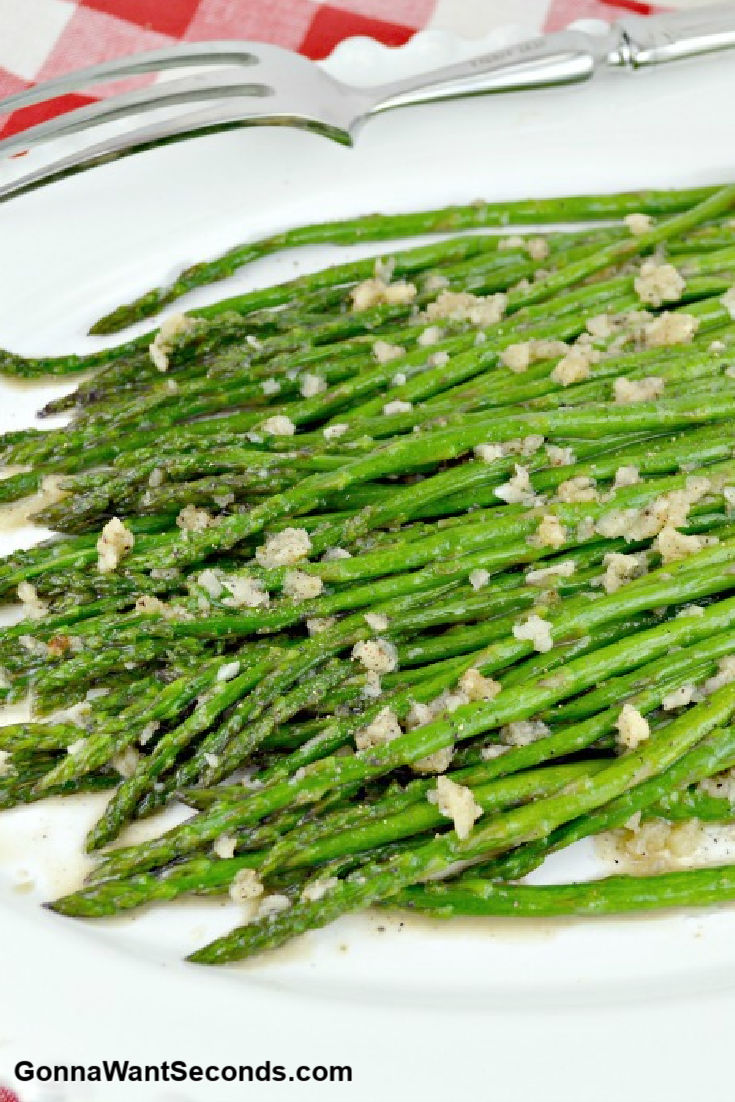
Sauteed Asparagus Ingredients
- 1 pound fresh asparagus, trimmed
- 1–2 tablespoons olive oil (or butter)
- 2–3 cloves garlic, minced (optional but recommended)
- Salt and pepper, to taste
🥣 How to Make Sautéed Asparagus
Heat the pan: Warm olive oil in a large skillet over medium-high heat until shimmering.
Add the asparagus: Place in a single layer and let it cook undisturbed for about a minute to start browning.
Sauté: Turn occasionally and cook for 5–7 minutes, until bright green and just tender with lightly golden edges.
Add garlic: Stir in minced garlic during the last 1–2 minutes and cook just until fragrant.
Season and serve: Add salt and pepper, then serve immediately while hot and crisp.
⭐ Pro Tips
⭐ Don’t overcrowd the pan
Too much asparagus traps steam and leads to soft, soggy results instead of browning.
⭐ Dry it well before cooking
Water lowers the pan temperature and prevents proper sautéing.
⭐ Use medium-high heat
Too low = limp asparagus. You want a hot pan for crisp edges.
⭐ Add garlic at the end
Garlic burns quickly — adding it late keeps the flavor smooth and mellow.
⭐ Watch the color
Perfect asparagus is bright green with light browning. Dull green means overcooked.
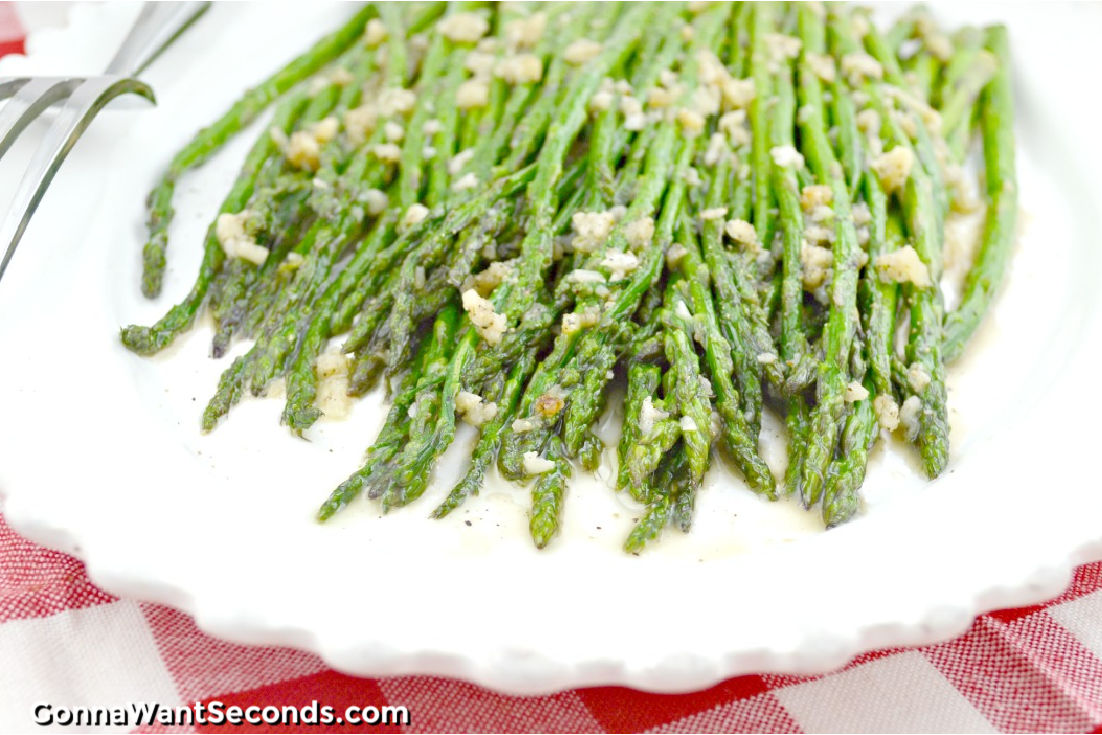
🔬 Cooking Science: Why Asparagus Gets Soggy
Sautéing works by quickly evaporating moisture while browning the surface. If the pan isn’t hot enough — or the asparagus is wet or overcrowded — that moisture stays trapped and the asparagus steams instead.
That’s what causes that soft, limp texture.
High heat + dry asparagus + space in the pan = crisp-tender perfection.
Want More Flavor? Try This Roasted Garlic Asparagus with Feta (Reader Favorite)
If you’re in the mood for something a little more bold and savory, this roasted version is one of my favorite ways to serve asparagus.
Instead of sautéing, the asparagus is roasted until tender with lightly caramelized edges, then finished with garlic, crumbled feta, and a squeeze of fresh lemon.
👉 It’s still simple, but the roasting brings out a deeper, slightly sweet flavor that pairs perfectly with the salty feta.
If you love easy vegetable sides that feel just a little more special, don’t miss my roasted garlic asparagus with feta — it’s one of the most popular asparagus recipes on the site for a reason.
Storing + Reheating + Freezing + Make-Ahead Tips
Storing
Store leftover sautéed asparagus in an airtight container in the refrigerator for up to 3 days. Keep in mind it will soften slightly as it sits.
Reheating
Reheat quickly in a skillet over medium heat to help bring back some texture. You can also microwave in short bursts (10–15 seconds), but avoid overcooking.
For larger portions, spread the asparagus on a baking sheet and warm in a 350°F oven for 5–8 minutes until heated through.
Freezing
Freezing is not recommended. Asparagus contains a lot of water and becomes soft and mushy after thawing.
Make-Ahead
This recipe is best made fresh, but you can trim and prep the asparagus ahead of time and store it in the fridge until ready to cook.
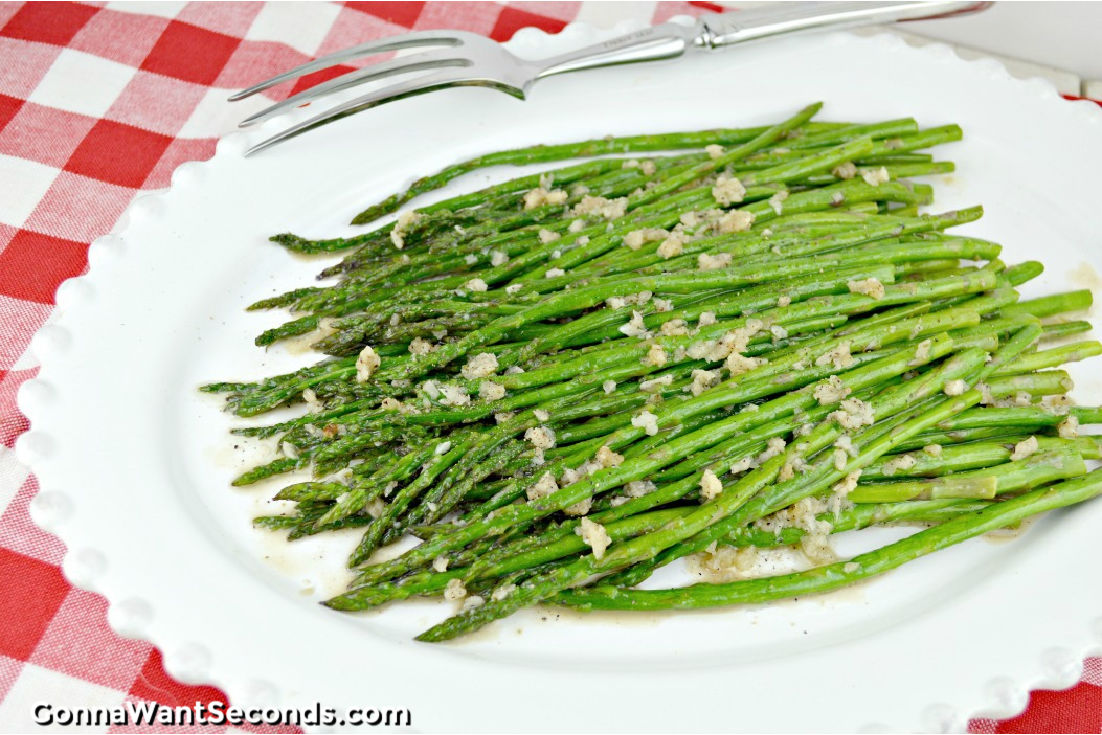
What to Serve With Sautéed Asparagus
Fresh + Crisp Sides
Since asparagus is already light and fresh, I like pairing it with something crisp and refreshing to round out the plate. A simple house salad or a tomato salad keeps the meal balanced without feeling heavy.
Comforting Sides
For a more filling, cozy meal, serve this alongside creamy Mashed Potatoes or rich Melting Potatoes. The buttery textures pair perfectly with the bright, slightly crisp asparagus.
Entrees
This is one of those sides that works year-round, whether you’re cooking inside or firing up the grill. For easy weeknight dinners, it pairs beautifully with creamy, comforting dishes like Chicken Divan or reader-favorite White Chicken Enchiladas
If you’re in the mood for something lighter, it’s just as good alongside juicy Grilled Chicken Kebabs or flavorful Grilled Boneless Pork Chops — simple mains that let the asparagus shine while still creating a complete, satisfying meal.
Sweet Finishes
If you’re building out a full meal, finish with something light and refreshing like Creamy Fruit Salad, or go a little more indulgent with a warm dessert like Peach Cobbler.
Frequently Asked Questions
◆ How long does it take to sauté asparagus?
It typically takes 5–7 minutes over medium-high heat, depending on the thickness of the spears. Thinner asparagus cooks faster, while thicker spears may take a minute or two longer.
◆ How do you keep asparagus from getting soggy?
Use medium-high heat, make sure the asparagus is completely dry before cooking, and avoid overcrowding the pan so moisture can evaporate quickly instead of steaming.
◆ Do you need to blanch asparagus before sautéing?
No — sautéing works best when you cook the asparagus directly in the skillet. Blanching adds an extra step and can make it harder to get that crisp-tender texture.
◆ What heat should you use to sauté asparagus?
Medium-high heat is ideal. It allows the asparagus to brown slightly while staying crisp-tender instead of becoming soft and limp.
◆ How do you know when asparagus is done?
Asparagus is done when it’s bright green, lightly browned in spots, and tender when pierced with a fork, but still has a slight bite.
◆ Can you sauté asparagus without garlic?
Yes! Garlic is completely optional. Sautéed asparagus made with just oil (or butter), salt, and pepper is simple, fresh, and delicious on its own.
◆ Should you peel asparagus before cooking?
No, peeling isn’t necessary for most asparagus. Just trim off the woody ends — that’s where the tough texture is.
◆ Can you use frozen asparagus?
Fresh asparagus works best for sautéing. Frozen asparagus tends to release more moisture, which makes it harder to get that crisp-tender texture.
More Easy Vegetable Side Dishes
- Roasted Garlic Asparagus with Feta — bold, savory, and one of the most popular asparagus recipes on the site, perfect when you want something a little more elevated
- Fajita Veggies — colorful, quick, and packed with flavor, these are a great way to add a little Tex-Mex flair to dinner
- Air Fryer Green Beans — crisp, fast, and incredibly easy, this is a go-to when you want a lighter veggie side
- Simple Roasted Peppers — sweet, tender, and full of flavor, perfect alongside chicken, steak, or pasta dishes
- Honey Glazed Carrots — slightly sweet, buttery, and always a crowd-pleaser
- Arkansas Green Beans — rich, savory, and a little indulgent, these are perfect for comfort-style meals
Tried This Recipe?
💗 If you enjoyed this recipe, please take a moment to leave a ⭐⭐⭐⭐⭐ star rating and a quick comment — I love hearing how it turned out for you!
Hungry for more easy side dishes and family-friendly dinners? Subscribe to my FREE newsletter so you never miss a new favorite.
Thanks for stopping by my kitchen today — happy cooking, friends! ❤️ Kathleen
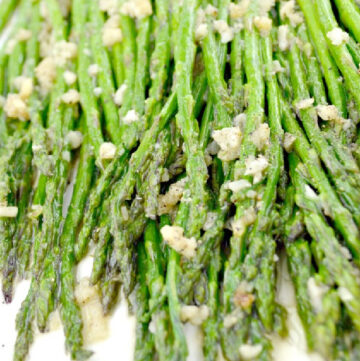
Sauteed Asparagus
Ingredients
- 1 bunch fresh asparagus trimmed
- 3 tablespoons butter
- 2 teaspoons garlic
- 1/2 teaspoon salt
- 1/4 teaspoon ground black pepper
Instructions
- Melt the butter (3 tablespoons), over medium heat, in a 12-inch skillet.
- Add asparagus (1 bunch) and garlic (2 teaspoons) to the skillet. Season with salt (1/2 teaspoon) and pepper (1/4 teaspoon). Using a pair of tongs, grab 2-3 inch bunches of the asparagus and turn it over in the pan. Break up any garlic that may have formed into clumps, and spread it out, and turn it occasionally. Continue this process, turning everything occasionally, to ensure even cooking and avoiding burning the garlic. Cook just until the asparagus is tender, generally 6- 10 minutes, depending on the thickness of the spears. (Thinner spears may be tender quicker than 10 minutes. Very thin spears may cook in as little as 4-5 minutes.)
- Using tongs, remove asparagus from the skillet onto a plate. Evenly distribute any garlic and butter left in the pan.
Fans Also Made:
Notes
- Thongs – I use 12-inch tongs
 to make this recipe. While the asparagus is cooking, I grab small bunches of the asparagus by, 2-3 inch diameter, with the tongs and flip them over in the pan. I continue this process occasionally, throughout the cooking time, to make sure the asparagus cooks evenly.
- Basically, what you want is to move the spears around so that all the asparagus comes into contact with the heat on the bottom of the skillet and also get evenly coated with the butter. Because the asparagus is long and fills up most of the pan, you can’t simply stir it around to get it evenly cooked!
- They’re made by one of my favorite kitchen tool manufacture OXO. They have a great rubbery grip, have nylon tips that are heat resistant, lock for storage, and then even go in the dishwasher for cleaning!
- Garlic – garlic in this recipe is optional. I add it if its flavor compliments the other dishes I’m making for dinner. This recipe is honestly amazing with or without the garlic. It’s fun to have it both ways.
- Each variation is like two different sauteed asparagus recipe. The instructions don’t really change much if you add it or you don’t. The most important thing to do, if you choose to add it, is to move it around in the pan so it doesn’t burn. The minced garlic can tend to clump up. I just use the tip of the tongs and stir it up, flip it over, and distribute it, as much as possible, throughout the asparagus.
- When I add garlic, I use a lot of garlic in this recipe. 2 teaspoons of minced garlic is perfect for this dish, in my humble opinion.
- If you aren’t a fan of garlic, this recipe is really yummy made without any at all. The asparagus cooked in butter, salt, and pepper alone is amazing. If you like garlic, but don’t like it a lot, cut it back to just 1 teaspoon.
- Asparagus – Cook the asparagus just until it’s tender or a knife or fork inserts easily into the stock. Don’t allow the asparagus to get too soft or it will be mushy by the time you go to serve it. It continues to soften as it cools down a bit. The thinner the average stock, the quicker it will cook.
- Butter – The butter may brown gently around the edges of the skillet. Moderate your heat, lowering it as needed, so that you don’t brown, or worse, burn your garlic. Burnt garlic turns bitter and ruins the dish. I like the garlic to stay nice and golden.
- Heat – On my cooktop, I cook it on medium heat most of the cooking time and only turn it down just a bit toward the end if needed.
- Salt – If you’re sensitive to salt, or just prefer your food lightly salted, cut the salt back to 1/4 teaspoon.
 to make this recipe. While the asparagus is cooking, I grab small bunches of the asparagus by, 2-3 inch diameter, with the tongs and flip them over in the pan. I continue this process occasionally, throughout the cooking time, to make sure the asparagus cooks evenly.



Leave a Reply