

This post may contain affiliate links. Please read our disclosure policy.
Classic Southern Chess Pie is one of the South’s most beloved old-fashioned desserts, known for its rich buttery custard filling and signature crackly sugar top. Made with simple pantry staples, this easy recipe creates a silky, melt-in-your-mouth pie that’s been a family favorite for generations.
One of the things I love most about Chess Pie is how effortlessly it comes together. I use a store-bought pie crust to keep prep simple, but the homemade filling delivers all the rich, nostalgic flavor that makes this Southern classic so memorable. It’s perfect for Sunday supper, holiday gatherings, church potlucks, or anytime you’re craving an easy homemade dessert.
If you love classic Southern pies, be sure to try my Old-Fashioned Butterscotch Pie, Chocolate Cream Pie, Sweet Potato Pie, and Banana Cream Pie. . You can also browse all of my favorite homemade pie recipes for even more timeless desserts.

What Is Chess Pie
Chess Pie is a classic Southern custard pie made with simple pantry staples like butter, sugar, eggs, cornmeal, and a splash of vinegar. As it bakes, the filling becomes rich, buttery, and silky smooth with the signature crackly sugar top that makes this old-fashioned dessert so memorable.
No one knows exactly how Chess Pie got its name, but it’s been a beloved Southern favorite for generations. Whether served at holiday gatherings, Sunday suppers, or family potlucks, its nostalgic flavor and simple preparation have made it a timeless homemade dessert.
What Does Chess Pie Taste Like?
Chess Pie has a rich, buttery flavor with a silky custard filling and a signature crackly sugar top. It’s sweet, creamy, and lightly caramelized, with hints of vanilla and a subtle texture from the cornmeal. If you enjoy classic custard desserts, you’ll love the nostalgic flavor of this Southern favorite.
Is Chess Pie the Same as Custard Pie?
No. While both have a smooth custard filling, Chess Pie is a classic Southern dessert made with butter, cornmeal, and a splash of vinegar, giving it its signature crackly top and richer flavor. Traditional custard pies rely on milk or cream for their filling, while Chess Pie gets its unique texture from simple pantry ingredients and bakes into a denser, more buttery pie.
Ingredients + Key Notes
Pie Crust: I use a refrigerated 9-inch pie crust to keep this recipe quick and easy, but a homemade pie crust works just as well.
Butter: Browning the butter adds a rich, nutty flavor that gives this Chess Pie extra depth. Let it cool slightly before mixing it into the filling.
Granulated Sugar: Sugar sweetens the filling and creates the pie’s signature crackly top as it bakes.
Eggs: Use room temperature eggs so they blend smoothly into the filling and help create a silky custard texture.
Cornmeal: A small amount of cornmeal is a traditional ingredient that gives Chess Pie its distinctive texture.
All-Purpose Flour: Flour works with the cornmeal to help stabilize the filling.
White Vinegar: Don’t worry—you won’t taste it! The vinegar balances the sweetness and is one of the classic ingredients found in traditional Southern Chess Pie.
Vanilla Extract: Adds warm, classic flavor that complements the buttery filling.
Salt: Just a pinch enhances all of the other flavors.
🥣 How to Make Chess Pie
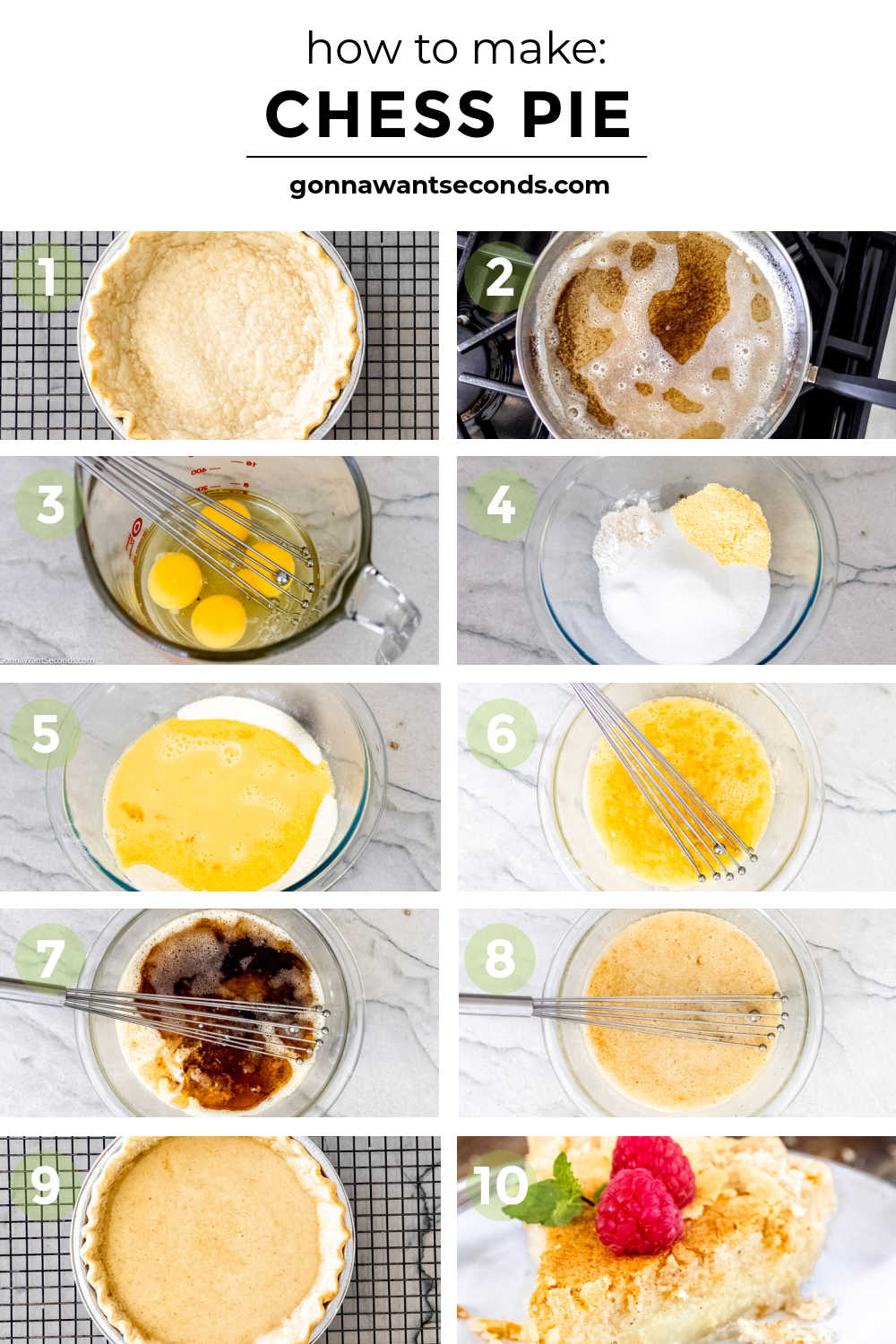
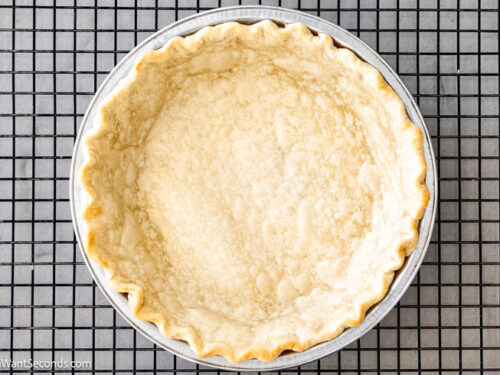
Prepare the crust: Partially bake the pie crust according to the package directions if desired. This helps ensure a crisp, flaky crust that holds up to the rich custard filling.
Brown the butter: Melt the butter over medium heat until it turns golden brown and smells wonderfully nutty. Set it aside to cool slightly before adding it to the filling.
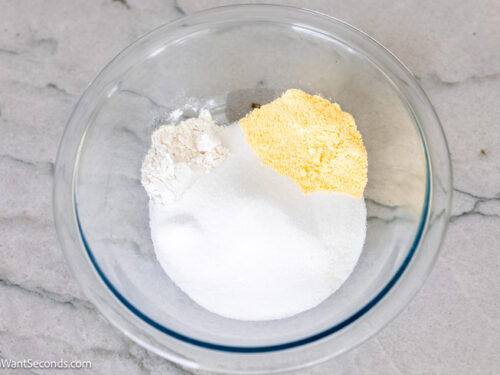
Mix the dry ingredients: In a large bowl, whisk together the sugar, cornmeal, flour, and salt until evenly combined.
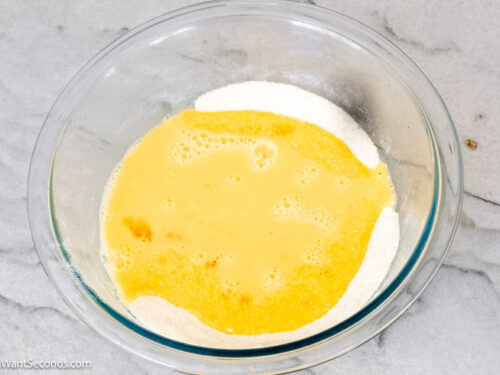
Add the wet ingredients: Whisk in the beaten eggs, followed by the browned butter, milk, vinegar, and vanilla, mixing until the filling is smooth and well combined.
Fill and bake: Pour the filling into the prepared pie crust and bake until the edges are set and the center has just a slight jiggle. The filling will continue to set as the pie cools.
Cool before serving: Let the pie cool completely on a wire rack before slicing. This gives the custard time to fully set and creates the perfect texture.
See the recipe card below for complete instructions, ingredient amounts, and baking times.
⭐ Brown the butter carefully. Remove it from the heat as soon as it turns golden and smells nutty. Burnt butter will give the filling a bitter flavor.
⭐ Don’t overbake the pie. The edges should be set while the center still has a slight jiggle. It will continue to firm up as it cools.
⭐ Cool completely before slicing. This gives the custard time to fully set for clean, beautiful slices.
⭐ Serve at room temperature or chilled. Chess Pie is delicious either way, and many people think the flavor is even better after it’s had time to rest.
⭐ Pro Tips
⭐ Pie Plate Size: I like to bake this in an 8-inch standard pie plate. A 9-inch will work but the pie will be thinner.
⭐ Pie Plate Material: I like to use a metal pie plate when I blind-bake. I refrigerate the pie crust and pie plate for 1 hour, then pop it directly in the hot oven. Metal doesn’t react to these extreme temperature changes. You run the risk of glass or ceramic cracking,
⭐ Timing: Remember, when blind baking, I find that chilling it 1 hour before blind baking helps it not to shrink down on the sides. Also, the pie needs to rest before cutting.
⭐ Blind Bake: Don’t skip Blind baking. Just follow the directions below. It’s easy.
- My 2 tips are: use pie weights, dried beans, or a combo of both, and the second is to use a metal pie plate!
- Reduce Oven Temperature: Don’t forget to reduce oven temperature after you’ve finished blind baking the pie crust. The oven starts out set at 425 degrees for the crust. Then it’s reduced down to 350 degrees to cook the custard.
- Pie Shield: Prepare a pie shield before you bake the pie. When you need it, you need it immediately!
- How To Tell When It’s Done: The pie is done baking when the edges are set, so is the center, and the top is golden brown. Remember it continues to set as it cools. Be sure not to over-bake the pie!
- Let It Rest: The pie needs to set at room temperature for a few hours before cutting and serving.
⭐ Brown the butter carefully. Remove it from the heat as soon as it turns golden and smells nutty. Burnt butter will give the filling a bitter flavor.
⭐ Don’t overbake the pie. The edges should be set while the center still has a slight jiggle. It will continue to firm up as it cools.
⭐ Cool completely before slicing. This gives the custard time to fully set for clean, beautiful slices.
⭐ Serve at room temperature or chilled. Chess Pie is delicious either way, and many people think the flavor is even better after it’s had time to rest.

STORING + FREEZING + REHEATING + MAKE-AHEAD
How Long Will This Keep Unrefrigerated? This will keep on the counter, at room temperature for a couple of days. Be sure to wrap it well with plastic wrap.
How Long Can You Keep This In The Fridge? Refrigerating for longer storage. It will keep for up to 4 days.
Can You Freeze This? Yes, this pie freezes well. I like to cut it into individual slices and store it in resealable plastic bags.
How To Reheat Slices: Place a slice on a small plate and heat in the microwave for 1 minute. If it’s not hot enough, continue to heat, using 30-second intervals, until it reaches the desired temperature.
Make-Ahead: This pie is perfect for making ahead of time. Cook the pie, cool it completely, then cover and store it on the counter or in the fridge overnight.
More Classic Southern Pie Recipes
Buttermilk Pie – A rich, buttery Southern custard pie that’s often compared to Chess Pie.
Sweet Potato Pie with Condensed Milk – Creamy, warmly spiced, and a Southern holiday favorite.
Pecan Pie – A timeless Southern classic with a gooey filling and crunchy pecans.
Mississippi Mud Pie – Layers of rich chocolate make this Southern dessert unforgettable.
Million Dollar Pie – A light, creamy no-bake pie that’s always a hit at potlucks and holidays.

Classic Southern Chess Pie Recipe
Ingredients
- 1 unbaked pie crust
- 1/2 cup unsalted butter, browned
- 2 cups sugar
- 2 tablespoons cornmeal
- 1 tablespoon flour
- 1/4 teaspoon salt
- 1/4 cup milk
- 1 tablespoon white vinegar
- 1 teaspoon vanilla extract
- 4 large eggs, at room temperature + lightly beaten
- powdered sugar for garnish
Instructions
- Arrange the oven rack to the lower third of the oven cavity. Place baking sheet on rack. Preheat oven to 425ºF (218ºC).
- Roll pie crust out, on a very lightly floured surface, into a 12-inch circle. Fit pie crust in an 8-inch standard pie plate. Fold edges under, and decoratively crimp or pinch the edges. Chill until crust is firm, at least 1 hour.
- Meanwhile, in a stainless steel skillet, not a non-stick or dark-colored bottom skillet, melt butter (1/2 cup), stirring often, until the butter browns and becomes a light amber color and has a nutty fragrance. Do not let the color of the butter go beyond light amber brown in color, it's very easy for it to burn so don't take your eyes off of it while cooking. Remove the skillet from heat and pour into a small bowl, using a rubber spatula to get every golden drop!!

- Line the pastry with aluminum foil or parchment paper. Fill to the top with dried beans or pie weights. Bake at 425°F (218ºC), on the arranged oven shelf for 4 to 5 minutes. Remove weights and foil; bake for 2 more minutes or until golden. Cool on a wire baking rack. Reduce oven temperature to 350ºF (177ºC).
- In a mixing bowl, add sugar (2 cups), cornmeal (2 tablespoons), flour (1 tablespoon), and salt (1/4 teaspoon); Whisk until combined.
- Add beaten eggs (4) and whisk until well combined.
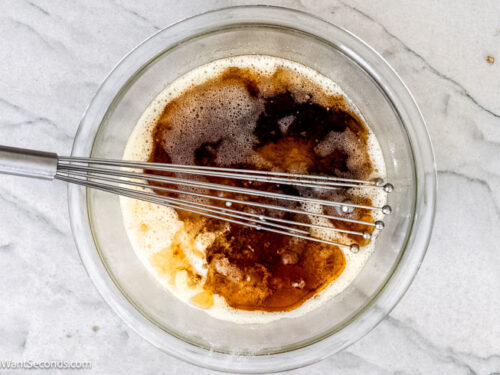
- To the sugar/flour mixture, add cooled browned butter, milk (1/4 cup), vinegar (1 tablespoon), and vanilla (1 teaspoon) to the sugar mixture and blend. Pour into cooled par-baked pie shell.
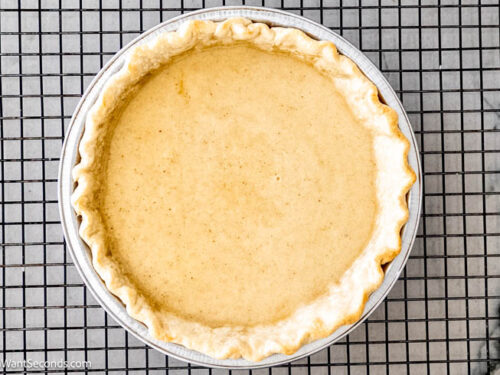
- Place pie into a wire rack and cool preheated oven and bake until edges and center are set, about 45-55 minutes.
- Transfer the pie to a wire rack and cool for a minimum of 30 minutes before slicing and serving.

Fans Also Made:
Notes
- Pie Plate Size: I like to bake this in an 8-inch standard pie plate. A 9-inch will work but the pie will be thinner.
- Pie Plate Material: I like to use a metal pie plate when I blind-bake. I refrigerate the pie crust and pie plate for 1 hour, then pop it directly in the hot oven. Metal doesn’t react to these extreme temperature changes. You run the risk of glass or ceramic cracking,
- Timing: Remember, when blind baking, I find that chilling it 1 hour before blind baking helps it not to shrink down on the sides. Also, the pie needs to rest before cutting.
- Blind Bake: Don’t skip Blind baking. Just follow the directions below. It’s easy.
- My 2 tips are: use pie weights, dried beans, or a combo of both, and the second is to use a metal pie plate!
- Reduce Oven Temperature: Don’t forget to reduce oven temperature after you’ve finished blind baking the pie crust. The oven starts out set at 425ºF (218ºC) for the crust. Then it’s reduced down to 350ºF (177ºC) to cook the custard.
- Pie Shield: Prepare a pie shield before you bake the pie. When you need it, you need it immediately!
- How To Tell When It’s Done: The pie is done baking when the edges are set, so is the center, and the top is golden brown. Remember it continues to set as it cools. Be sure not to over-bake the pie!
- Let It Rest: The pie needs to set at room temperature for a few hours before cutting and serving.
Nutrition
On your phone? Check the web story here.



Leave a Reply